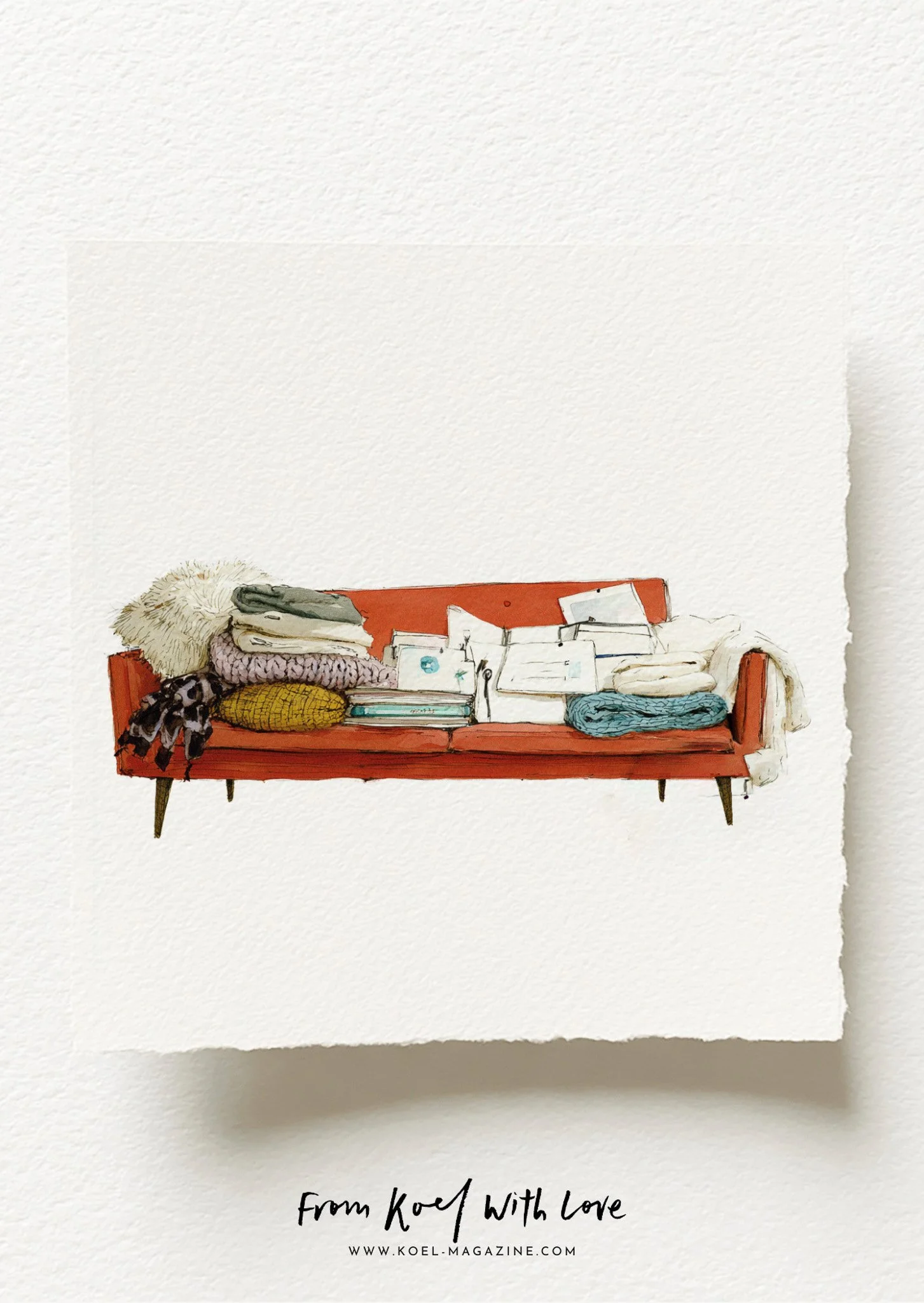
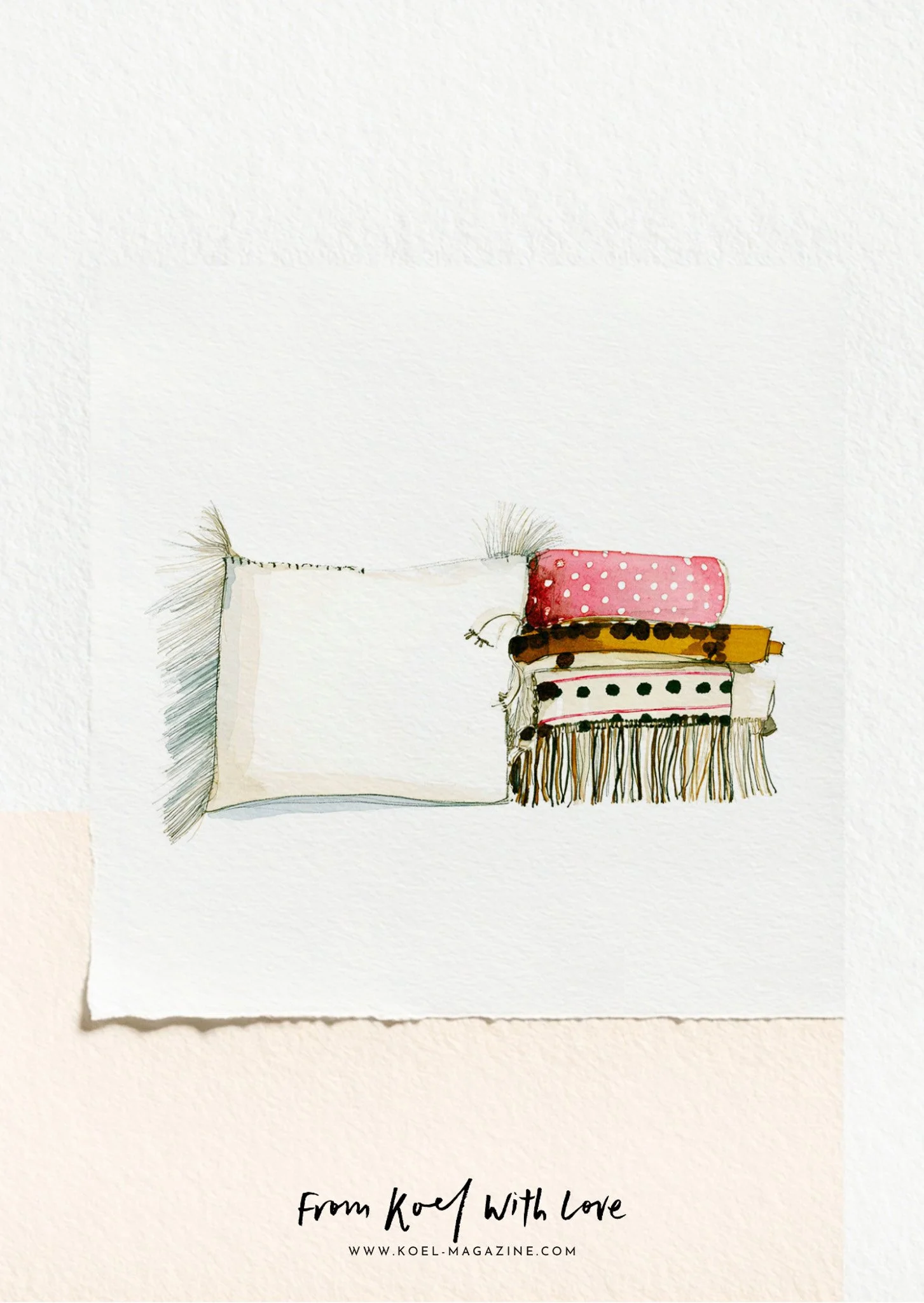
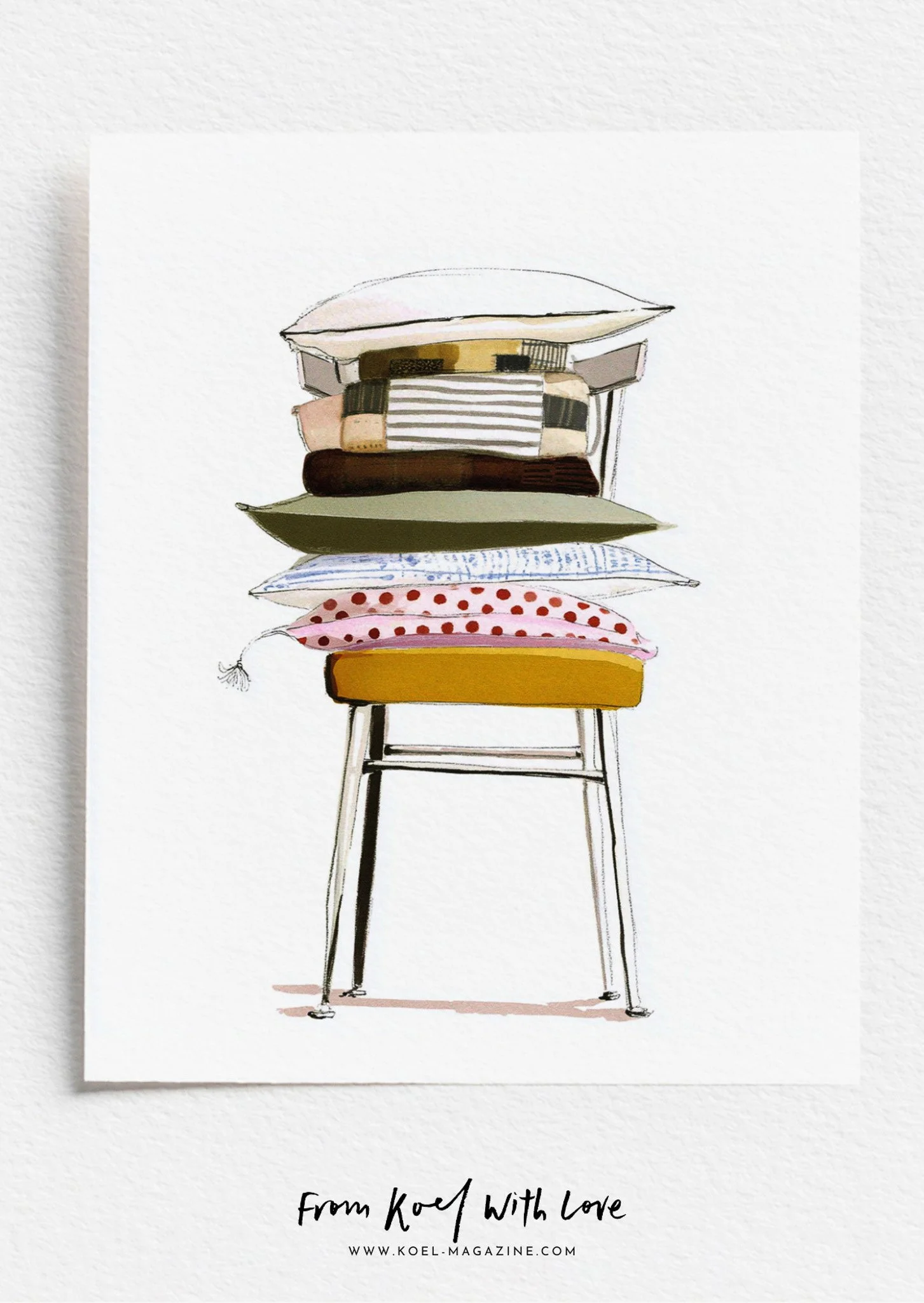
The cushion was not embroidered. It was knitted into another dimension.
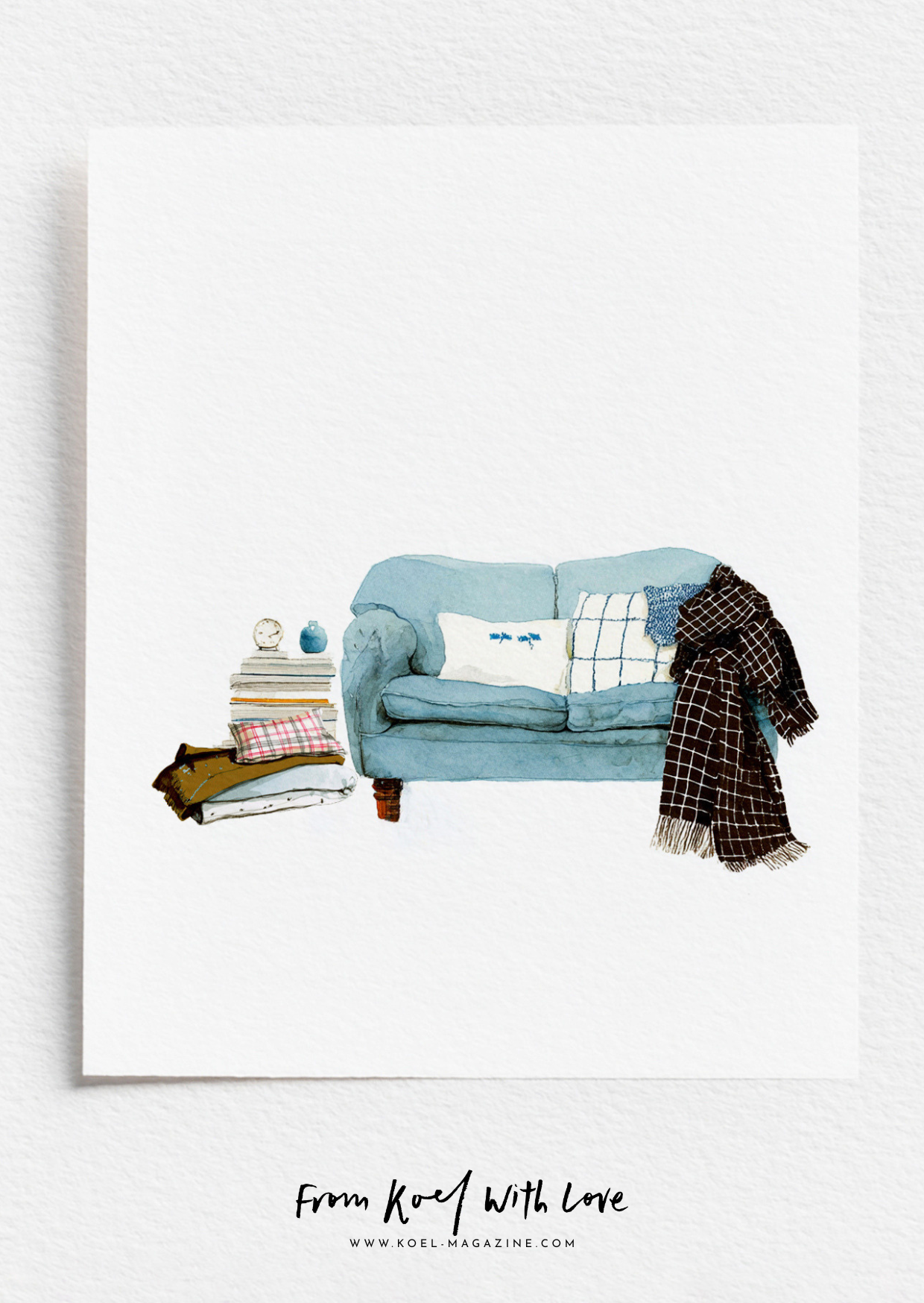
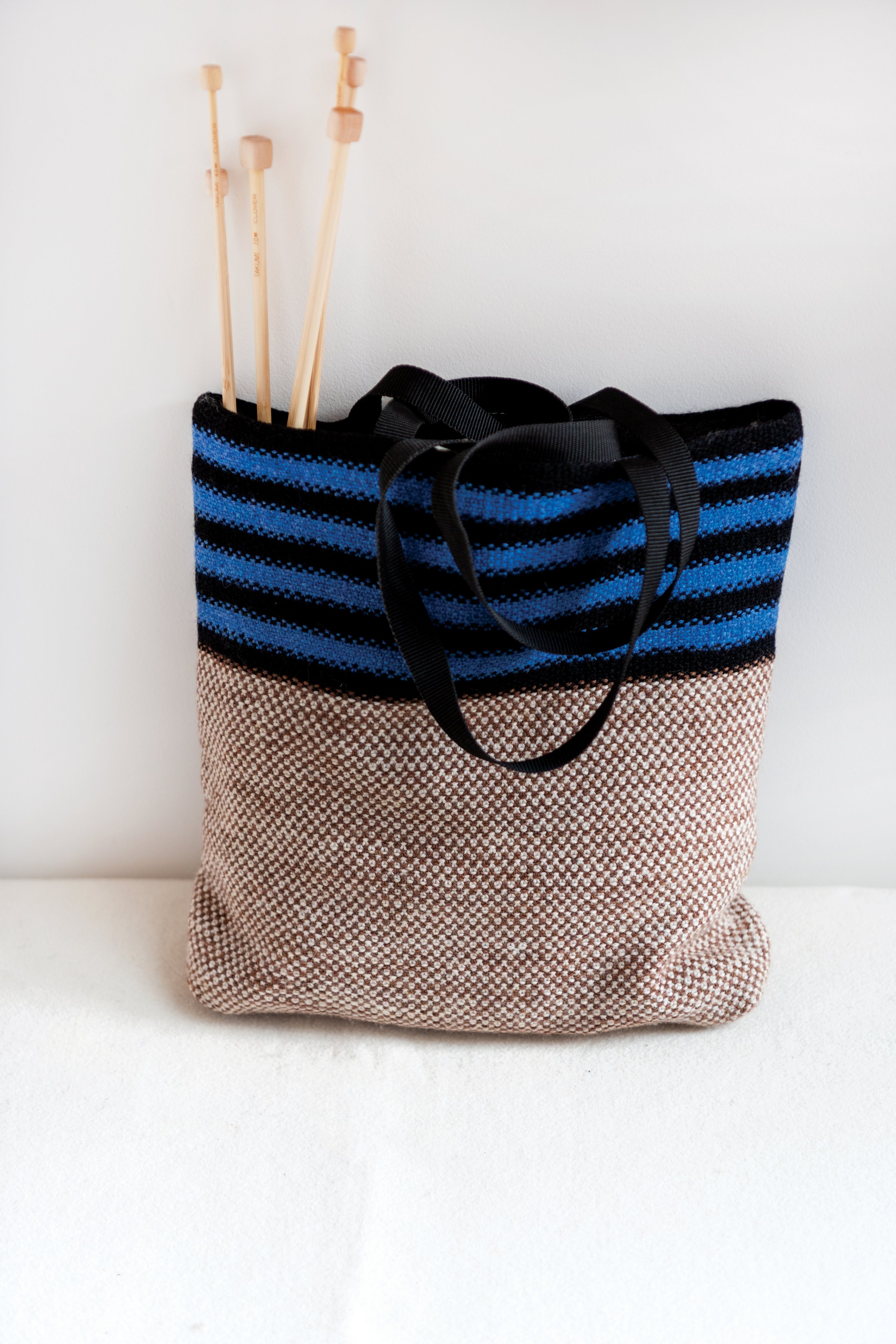
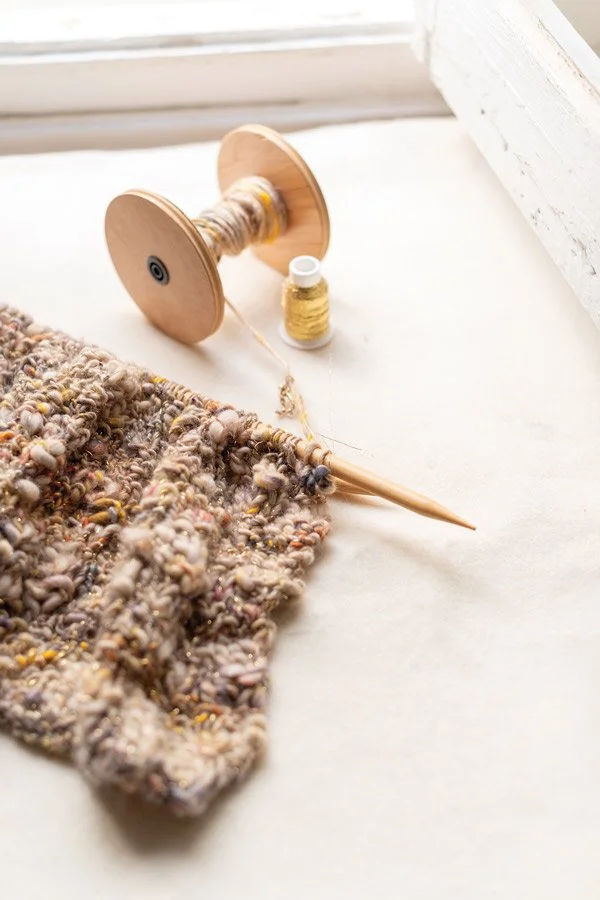
There is a stitch that does not lie flat. It rises. It folds back on itself, catches shadow, creates depth where there was none. Surface knitting borrows from the logic of origami: the same material, worked differently, becomes something structural. A cushion cover with a raised honeycomb pattern is not decorated. It is sculpted. A throw with a travelling cable does not sit on the sofa. It moves across it.
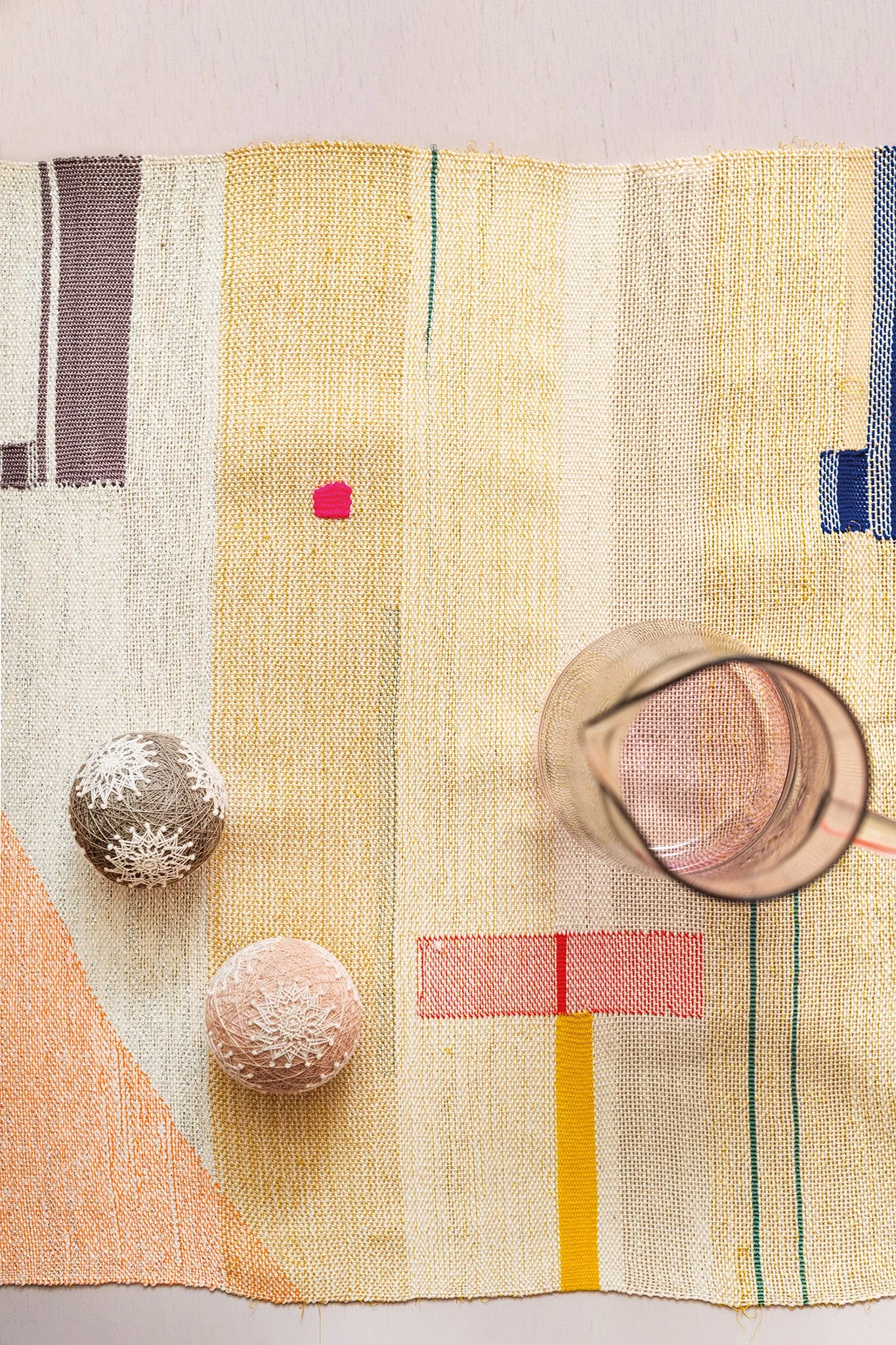
This is where knitting stops being textile and starts being architecture. Bobbles that read like a relief map. Entrelac squares that shift direction and catch light from two angles at once. A woven cushion with a three-dimensional weave structure that makes people reach out before they know they are doing it. The wall hanging that casts its own shadow by noon.
Depth is the detail that no store can flat-pack and ship to your door.
"The most interesting surface in the room was made one stitch at a time."
Send this to someone who thinks knitting is flat... they are about to reconsider…→
In case you missed these….
Charts aren't a different language. They're a shorter one.
Late, mid-story, already laughing. She's the reason you stayed. She derails everything. She makes everything better.
She builds the frame, sets the grid, then lets the paint disrupt everything.
Start with what you already have. A glass bottle, a ceramic vase, a found object with a good silhouette. Yarn does not need to start from nothing.
You spent hours on it. The fabric is beautiful. The stitches are even.
It starts innocently. A pattern calls for DK weight and suddenly you're standing in a yarn shop holding a merino in one hand and a cotton in the other, wondering what you actually believe.
The most countercultural thing you can do right now fits in a project bag.
A van, a punch needle, and half a year on the road. Now: Italian mountains.
Every pattern you've ever knitted started as someone's hunch. A stitch combination, a silhouette, a color sequence that wouldn't leave them alone.
The selvedge is the self-finished edge of woven fabric, born when the weft thread turns back on itself and says, that's enough, I've got this.
The pattern that works in every room and every craft.
When the forecaster talks, the fiber world listens. Wool is having a moment. The sheep knew first.
There is something almost comic about asking an algorithm for help with crafts that predate electricity by several thousand years.
Dorothy Offeciers once left her knitting bag on the metro on purpose. She was done with it.
There is a stitch that does not lie flat. It rises. It folds back on itself, catches shadow, creates depth where there was none.
Swiss darning goes by two names because it does two jobs. Call it duplicate stitch when you're adding a motif to a finished piece.
There is a version of this trend that starts with Pantone declaring white the color of the year and ends with everyone nodding politely.
Laetitia Dalbies makes fruit. Not as a metaphor. Her crochet tomatoes have weight and blush.
The cold rooms are leaving. Polished concrete, bare shelves, surfaces that echo... interior design spent a decade chasing the void and has now, quietly, reversed course.
In Amsterdam, someone decided that a listening bar was a perfectly reasonable place to knit. She was right.
Asako Sano's studio in Tokyo does not feel like Tokyo.
There is a room that looks good in photos and a room that makes people cross it to touch something.
Walk past the finished objects. Go straight for the fiber content labels.
Most of us have committed a little fiber snobbery at some point. The small wince at the mention of acrylic.
Waulking is the ancient practice of finishing handwoven wool by soaking it, then pounding and kneading it until the fibers lock together and the cloth becomes something it wasn't before.
Saara Autere's apartment in Helsinki sounds like a concert. The album covers on her walls are not decoration.
The method is older than it looks. String your beads onto the yarn before you cast on, warp your loom, or make your first chain.
You are mid-row, counting under your breath, and they lean over. Have you tried a different needle size?
There is a shift happening in the way people think about textile work. Not as something made for function, not as a hobby with a finished object at the end...
KOEL MAGAZINE
MODERN YARN STORIES
Real Stories. Real Patterns. Ideas YOU’ll want to make.