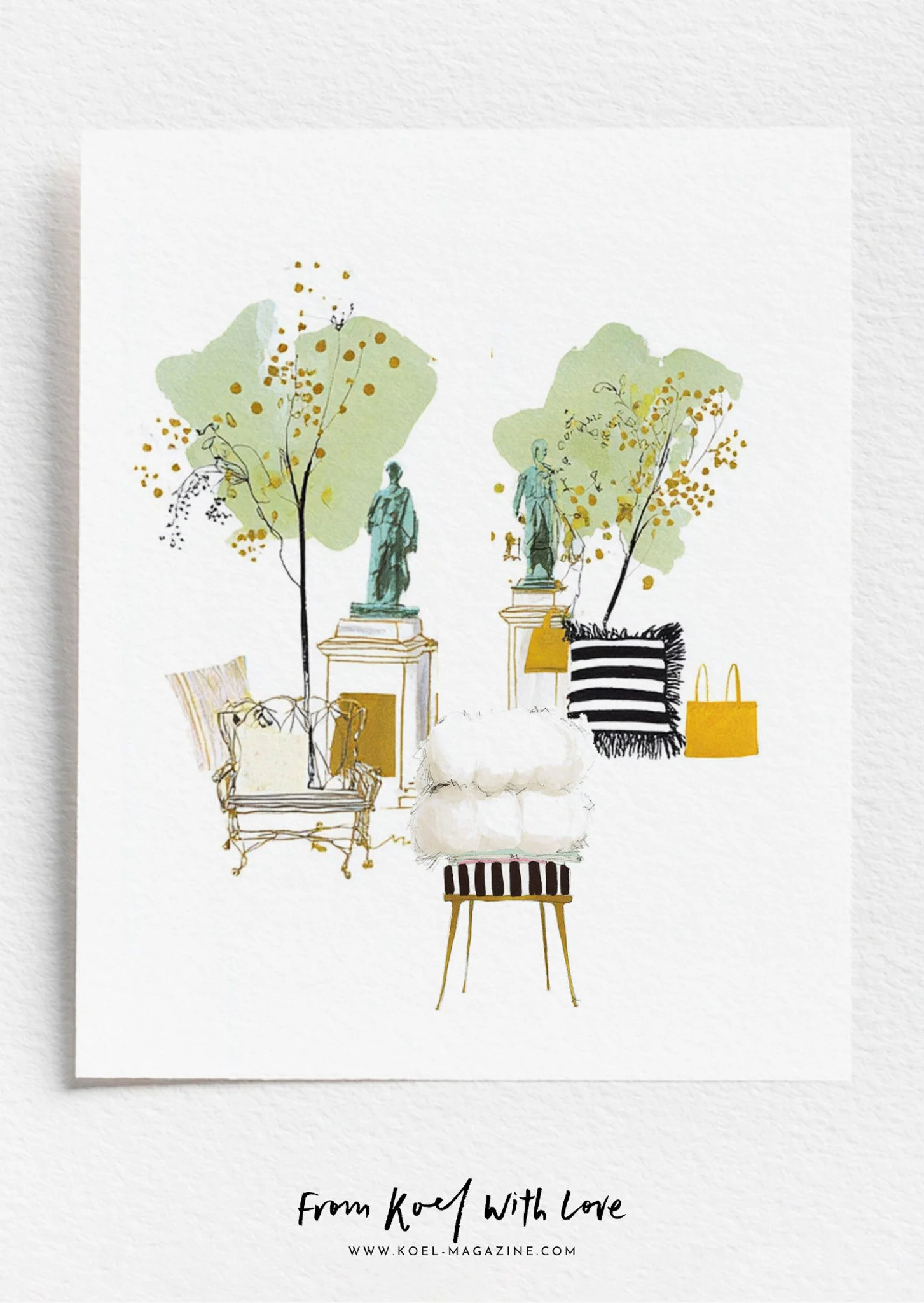
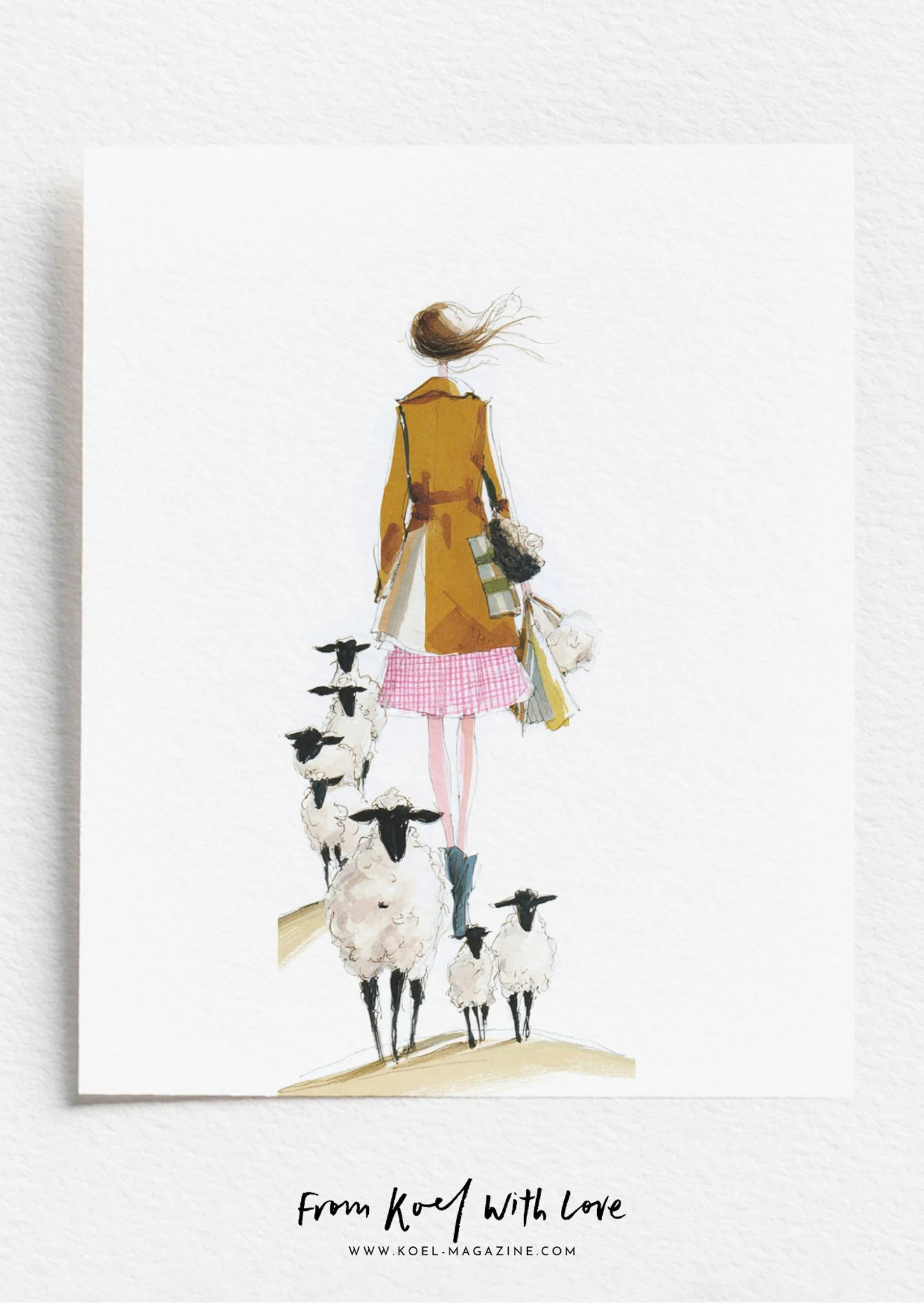
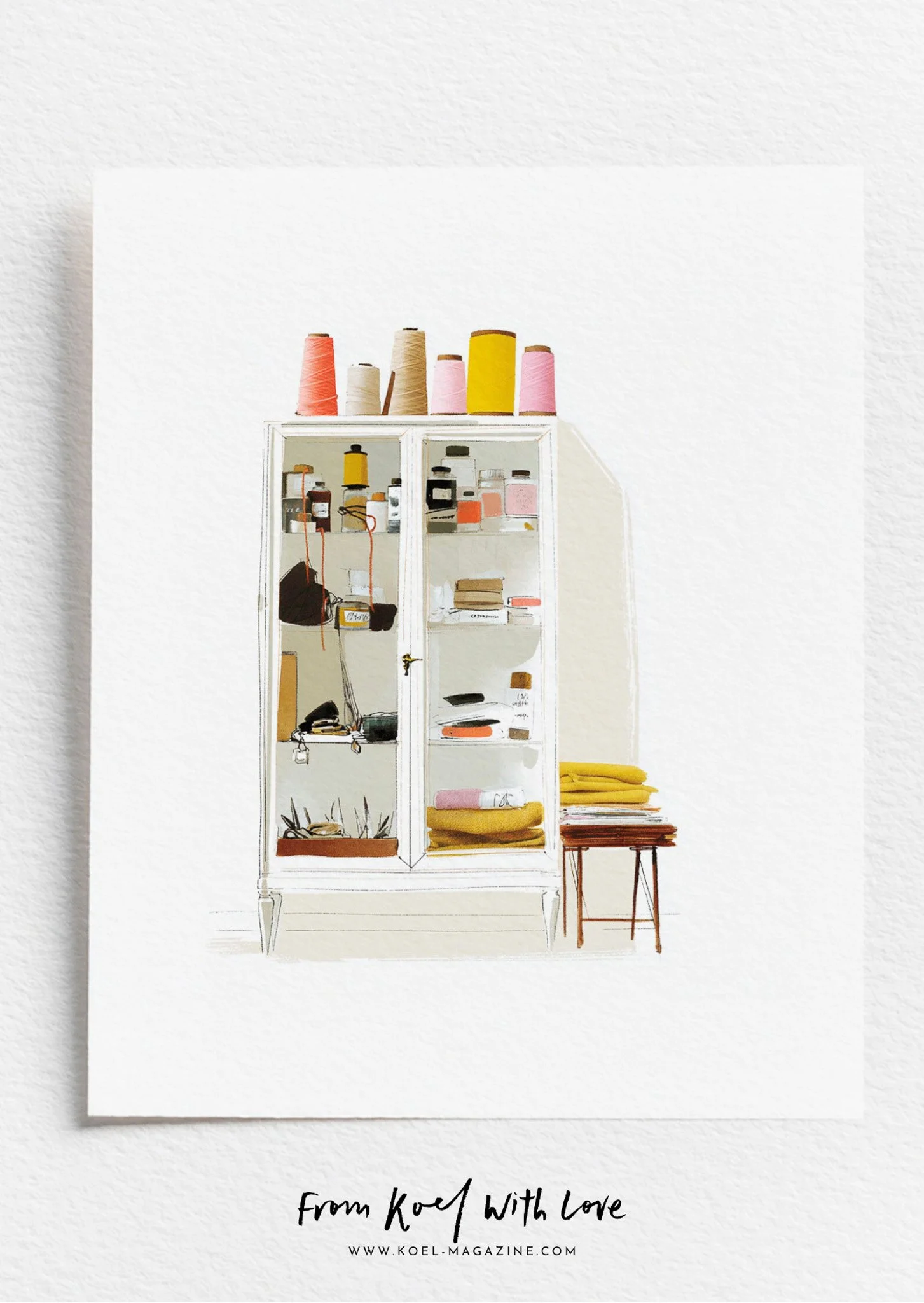
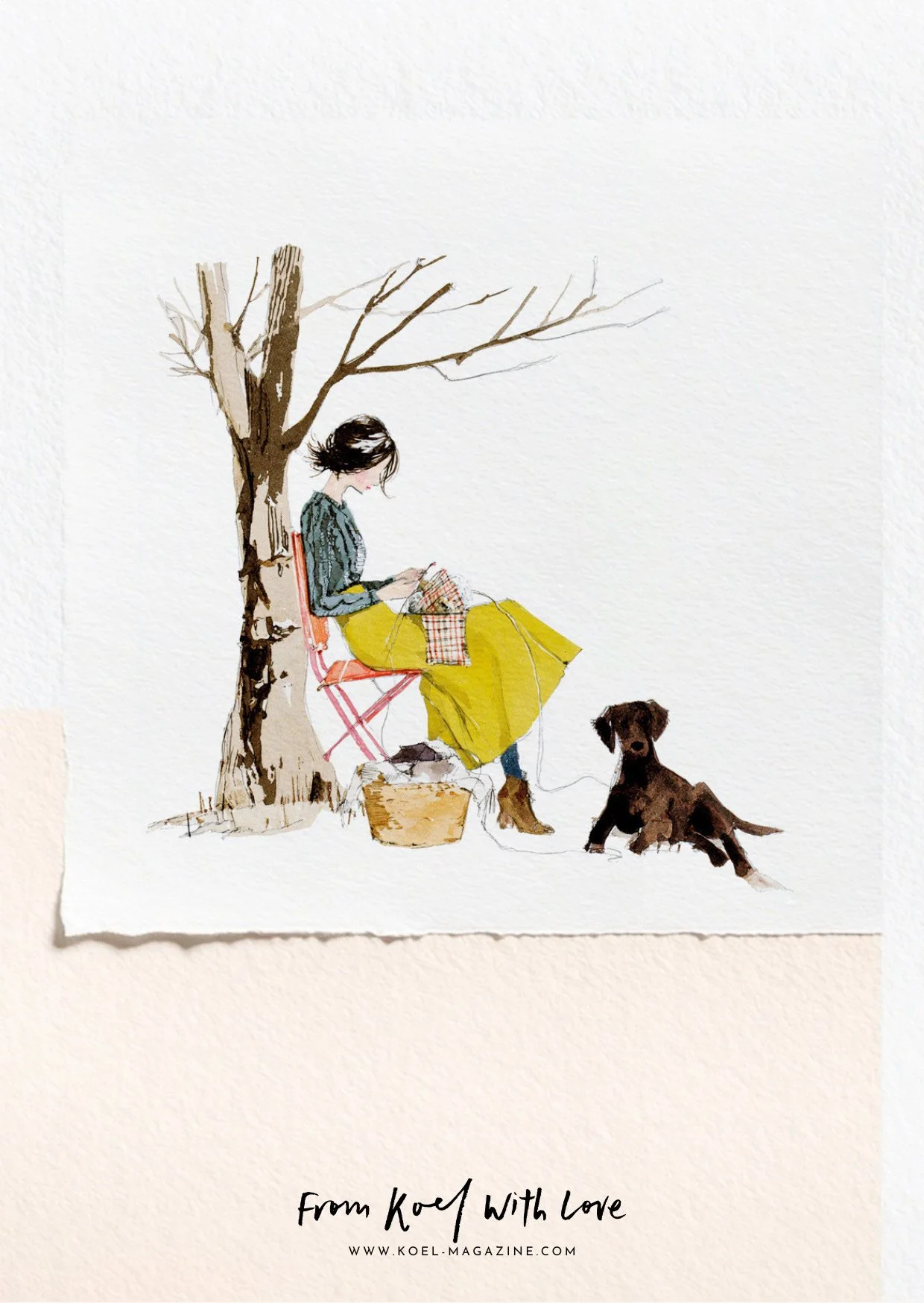
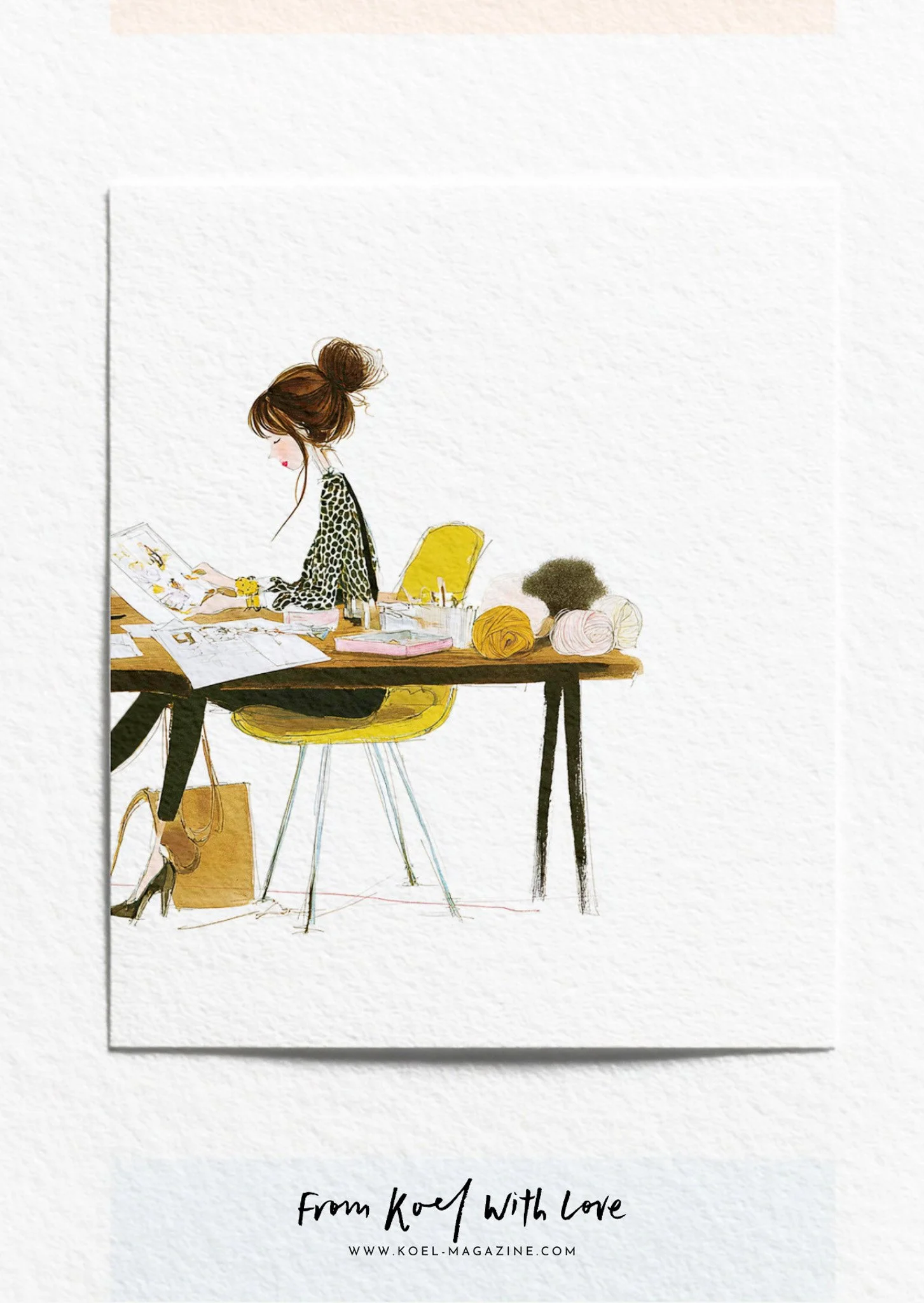
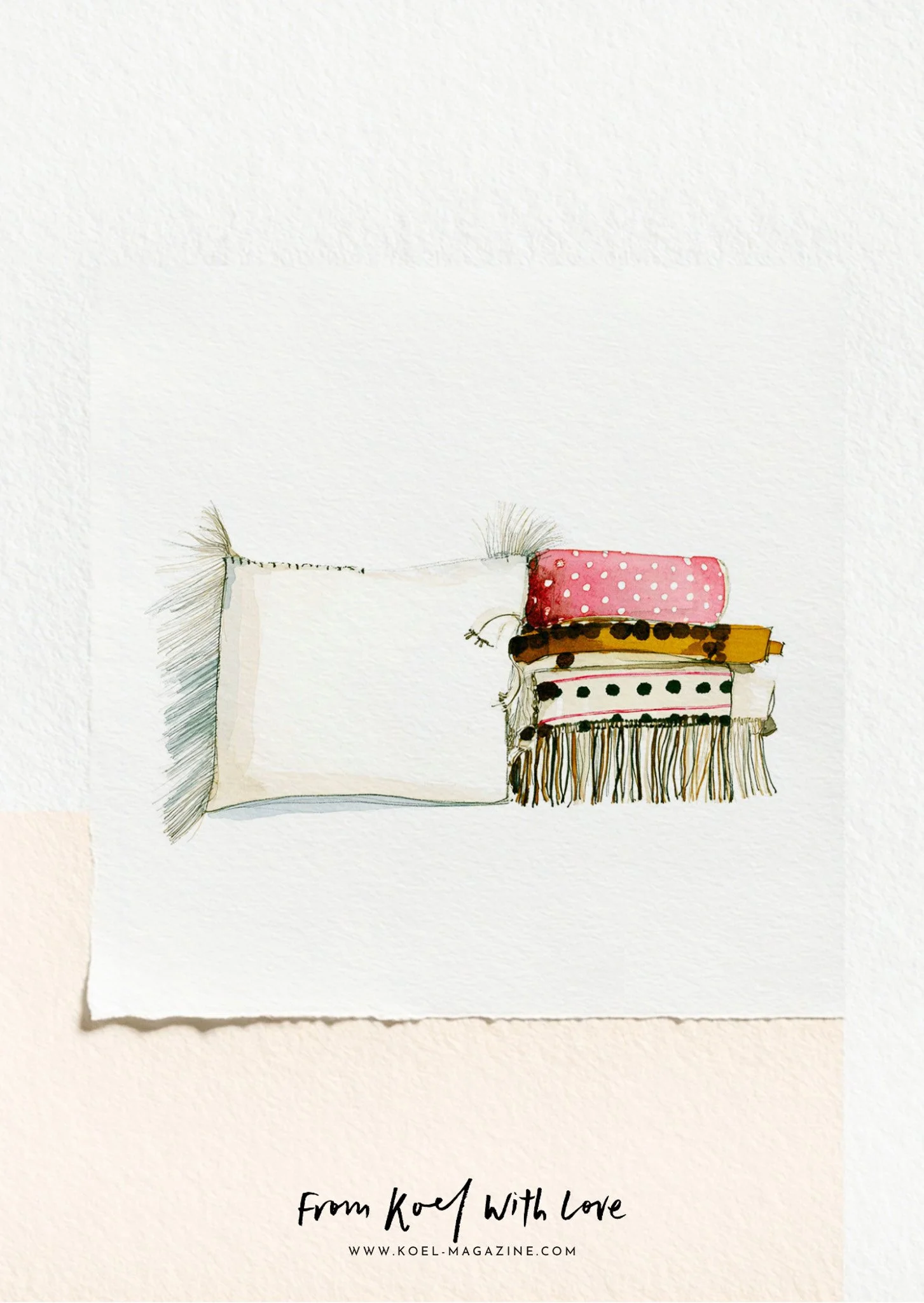
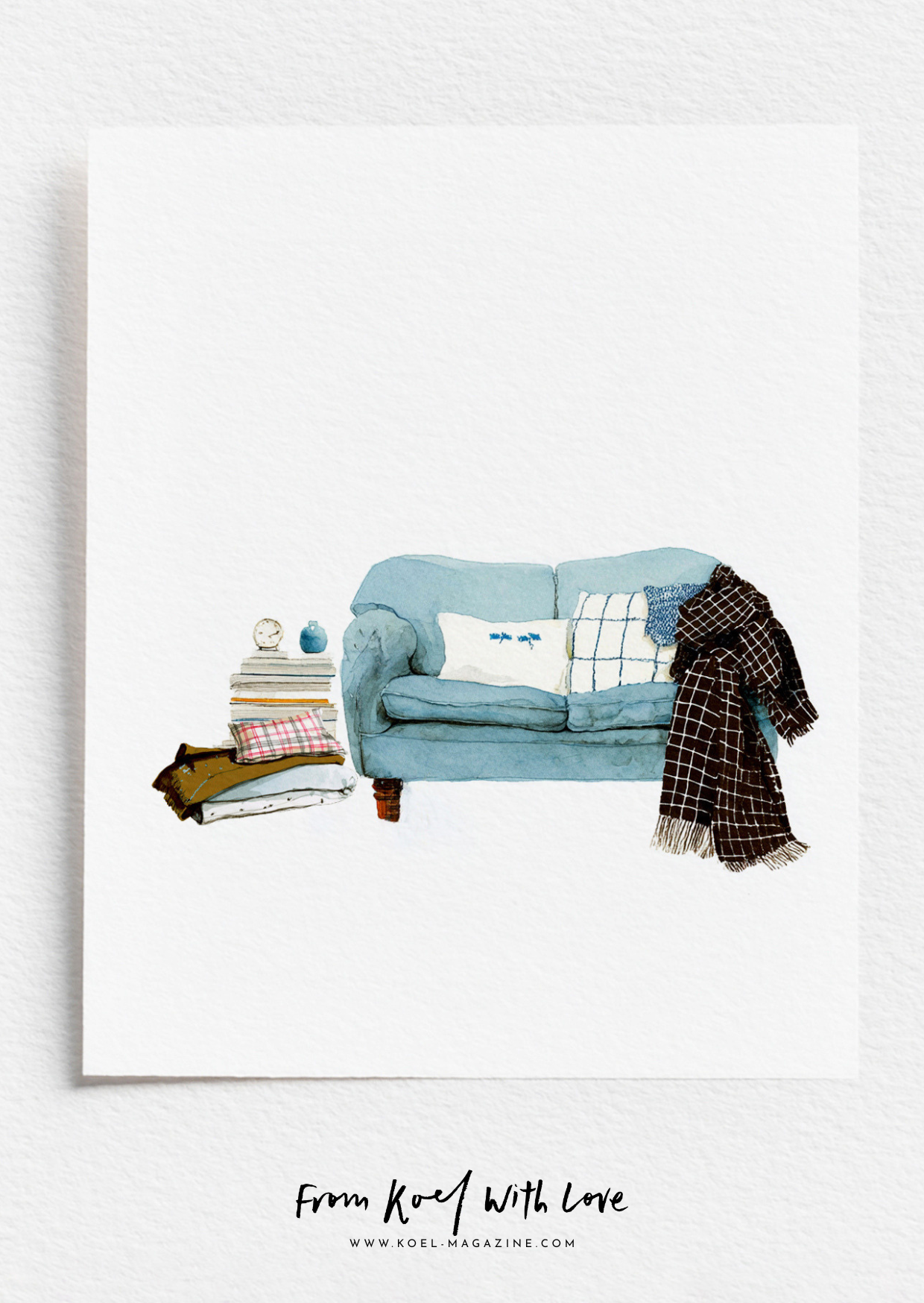
Raw color.
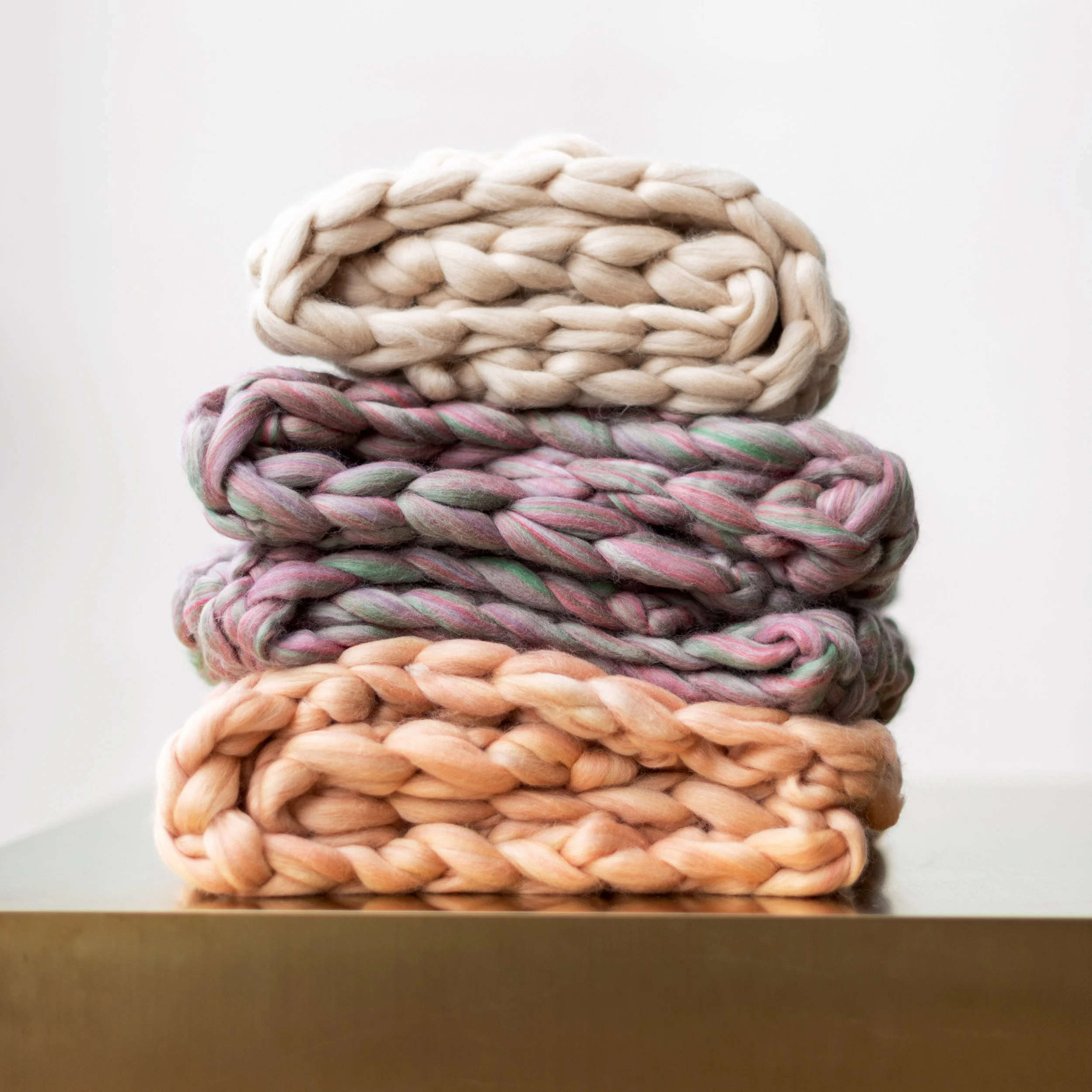
Raw. Undyed. Unbleached. The palette that does not need to try.
There is a version of this trend that starts with Pantone declaring white the color of the year and ends with everyone nodding politely. That is not the interesting part.
The interesting part is what happens when you remove color from the equation entirely. Undyed wool in its natural cream. Raw alpaca in warm grey. Unbleached linen in the color of dry grass. These are not neutral. They are the actual color of the fiber, which means every skein is slightly different, every fleece carries the animal it came from, every project has a provenance that a dye bath would erase.
Strip the color and everything else comes forward. The twist of a cable. The rise of a brioche rib. The shadow that falls across a honeycomb stitch in afternoon light. Techniques that disappear inside a busy colorway suddenly become the whole point. The fabric reads like landscape.
No dye lot. No fade. Just fiber being exactly what it is.
"The most sophisticated color choice you can make right now is no color at all."
This one is for the maker who always reaches for the bright stuff first...→
In case you missed these….
There is a version of this trend that starts with Pantone declaring white the color of the year and ends with everyone nodding politely.
Laetitia Dalbies makes fruit. Not as a metaphor. Her crochet tomatoes have weight and blush.
The cold rooms are leaving. Polished concrete, bare shelves, surfaces that echo... interior design spent a decade chasing the void and has now, quietly, reversed course.
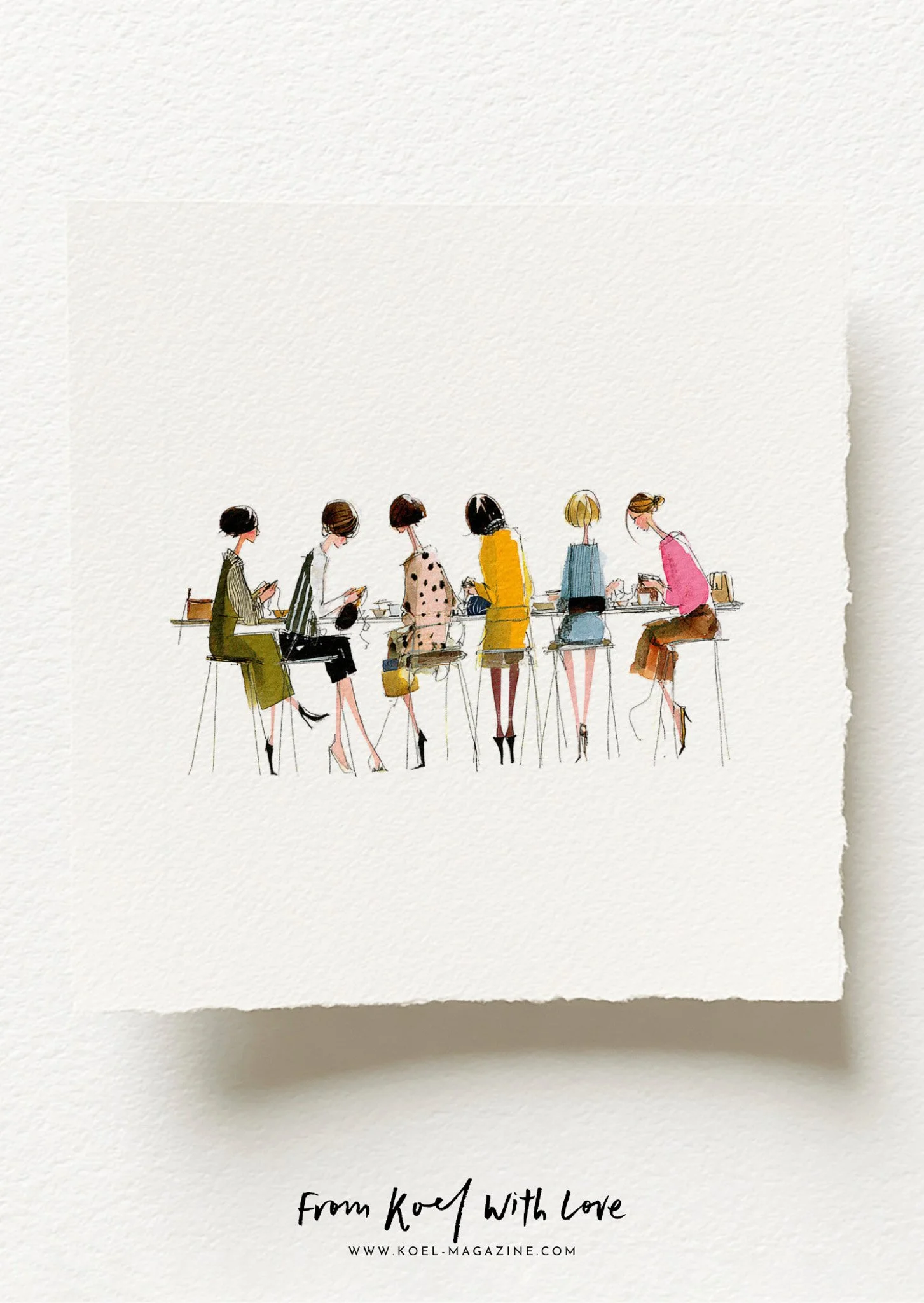
In Amsterdam, someone decided that a listening bar was a perfectly reasonable place to knit. She was right.
Asako Sano's studio in Tokyo does not feel like Tokyo.
There is a room that looks good in photos and a room that makes people cross it to touch something.
Walk past the finished objects. Go straight for the fiber content labels.
Most of us have committed a little fiber snobbery at some point. The small wince at the mention of acrylic.
Waulking is the ancient practice of finishing handwoven wool by soaking it, then pounding and kneading it until the fibers lock together and the cloth becomes something it wasn't before.
Saara Autere's apartment in Helsinki sounds like a concert. The album covers on her walls are not decoration.
The method is older than it looks. String your beads onto the yarn before you cast on, warp your loom, or make your first chain.
You are mid-row, counting under your breath, and they lean over. Have you tried a different needle size?
There is a shift happening in the way people think about textile work. Not as something made for function, not as a hobby with a finished object at the end...
Neringa Rūkė starts every morning with knitting. Not to produce. To think. Her brand, Rūkė Knit, is named for fog: layered, soft, and quietly powerful.
You already have three people in mind. You've mentioned it once, maybe twice, in a group chat that went quiet.
Art yarn is handspun yarn that has no interest in being uniform. Thick and thin.
Flowers have been worked into textiles for as long as there have been hands to hold a hook or needles.
There is a moment, usually ten minutes in, when the noise and the color and the smell of it all lands at once.
Just outside Dublin, Kathryn Davey is mapping color. Not on a screen. In trees.
A steek is a column of extra stitches added to a piece of stranded colorwork knitting specifically so you can cut it open later.
Stefanija Pejchinovska does not begin with new materials. She begins with what already exists.
The local yarn shop is a particular kind of place. Classes on Tuesday evenings.
Cables were not designed for cushions. They were designed for survival.
The lampshade in that photo. You can make that. A crocheted lampshade does something no bought shade can.
Ana Sebastião crochets every day. Not as a practice, not as a ritual. As a fact of life, the way some people make coffee or check the weather.
There is a particular kind of focus that happens when your hands are occupied and your ears are free. The project moves.
They are showing up everywhere. On studio worktables, in maker videos, at fiber festivals next to spinning wheels and blocking mats.
Calling It a UFO Doesn't Make You Charming. It Makes You Avoidant. The UFO isn't lost. You know exactly where you put it.
The stitches disappeared. Something better remained. Felting's more controlled cousin explained.
KOEL MAGAZINE
MODERN YARN STORIES
Real Stories. Real Patterns. Ideas YOU’ll want to make.