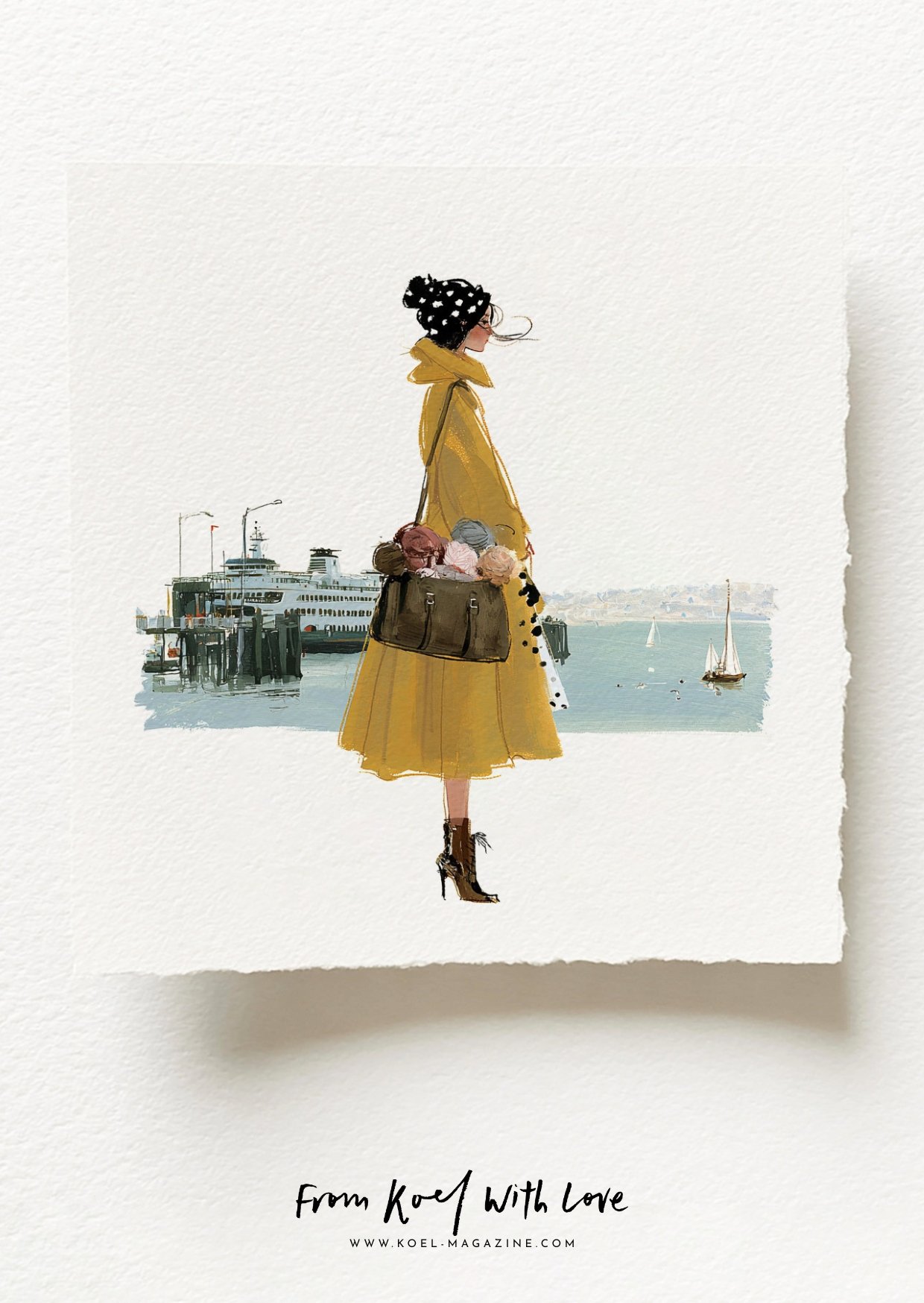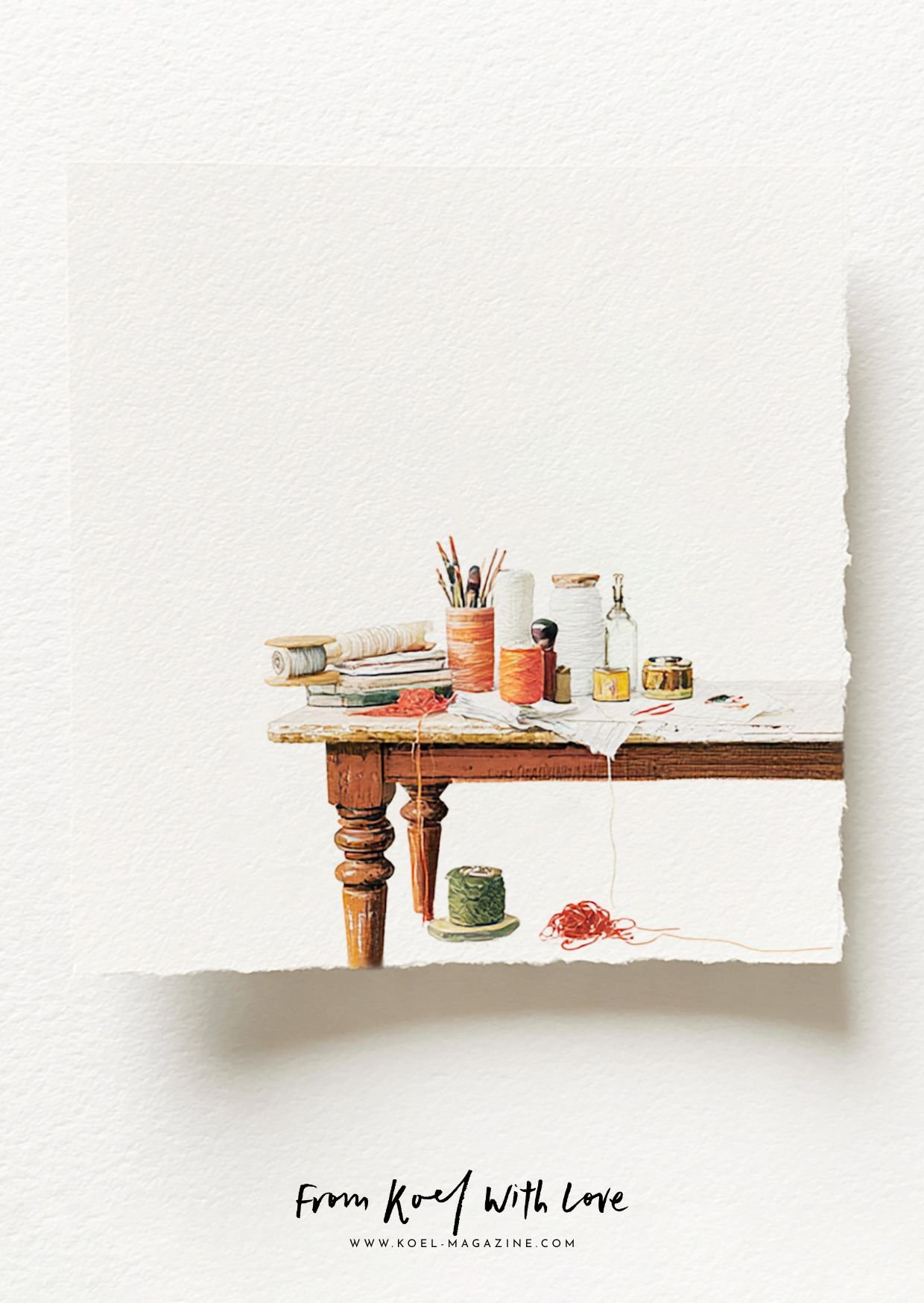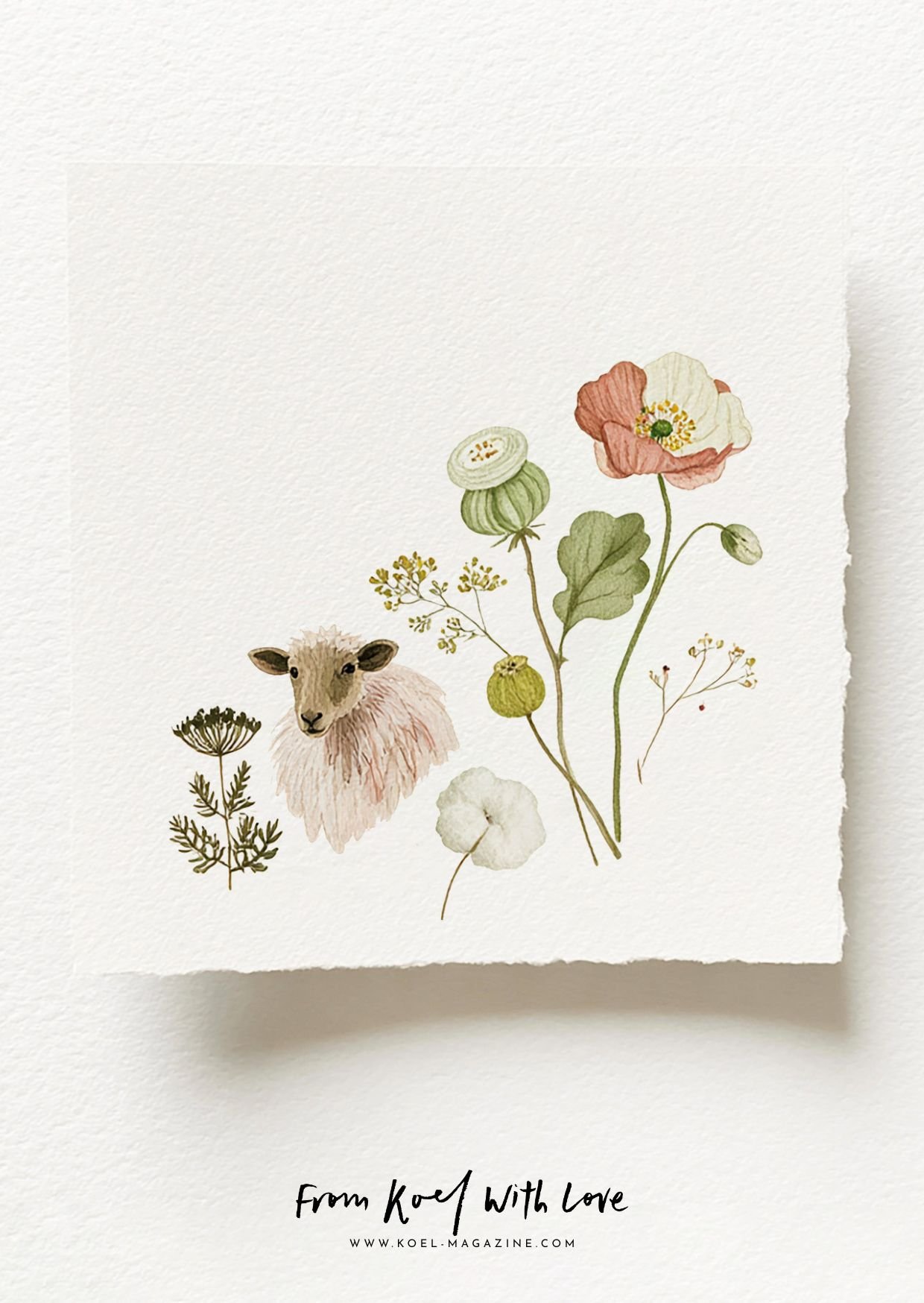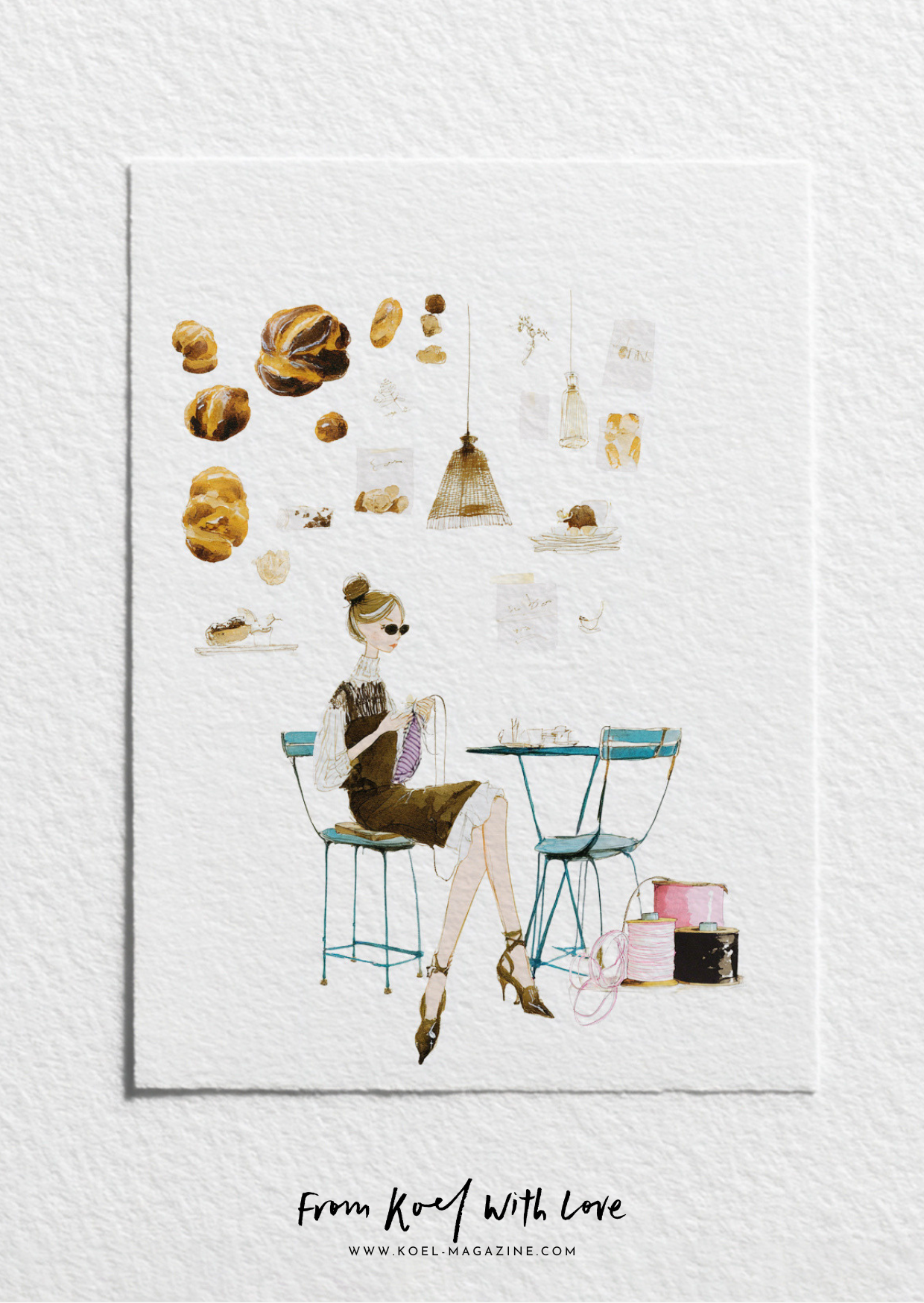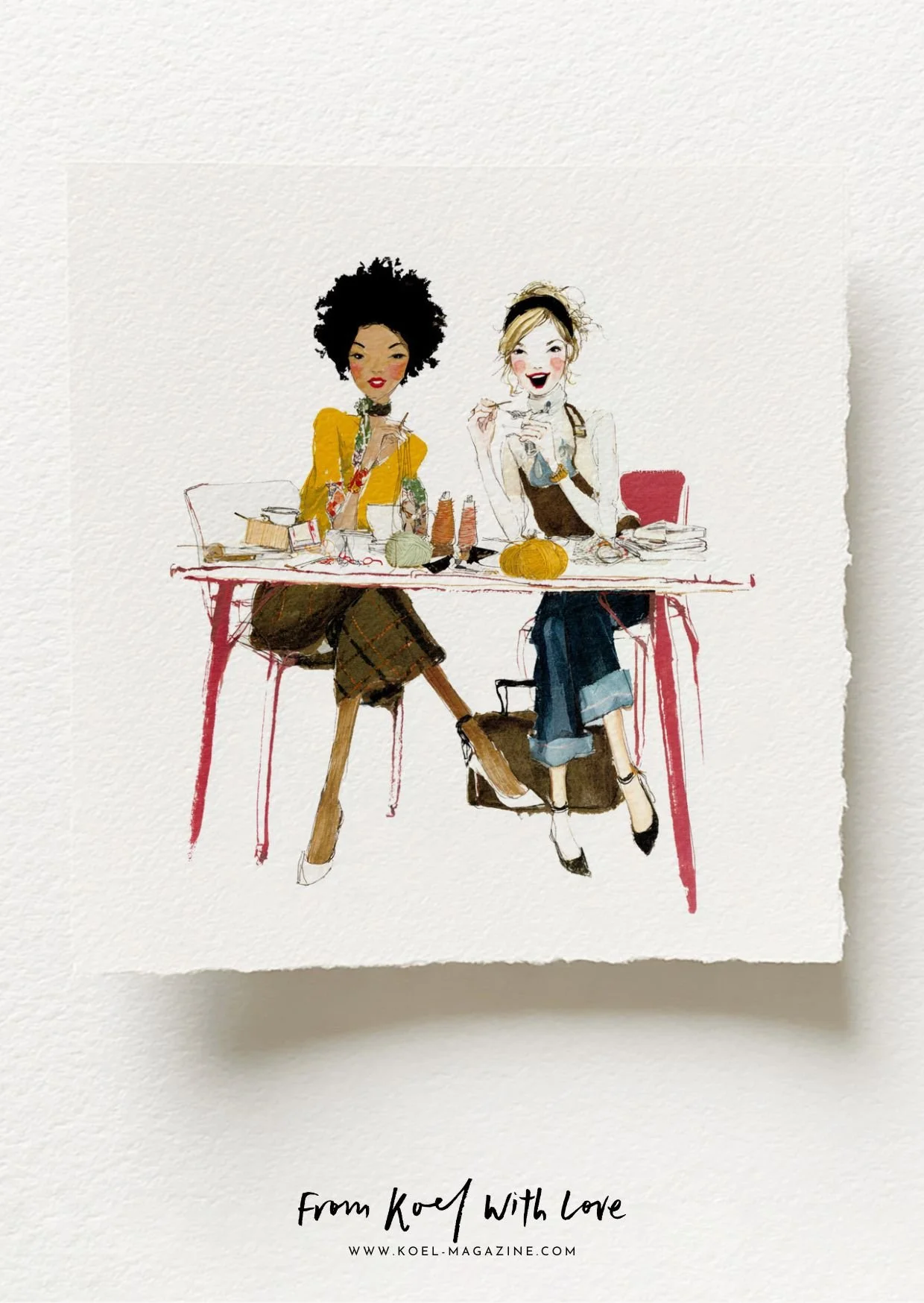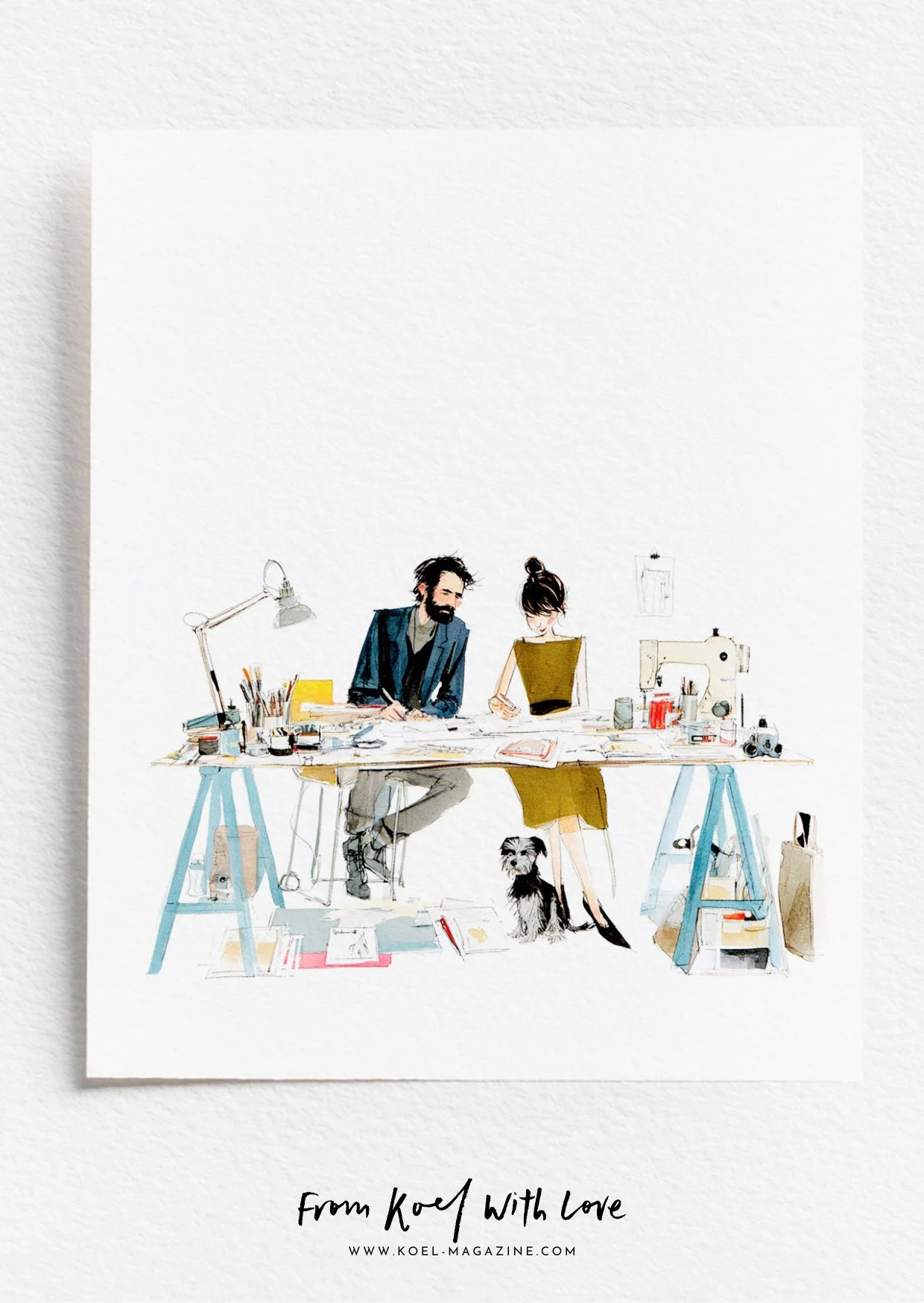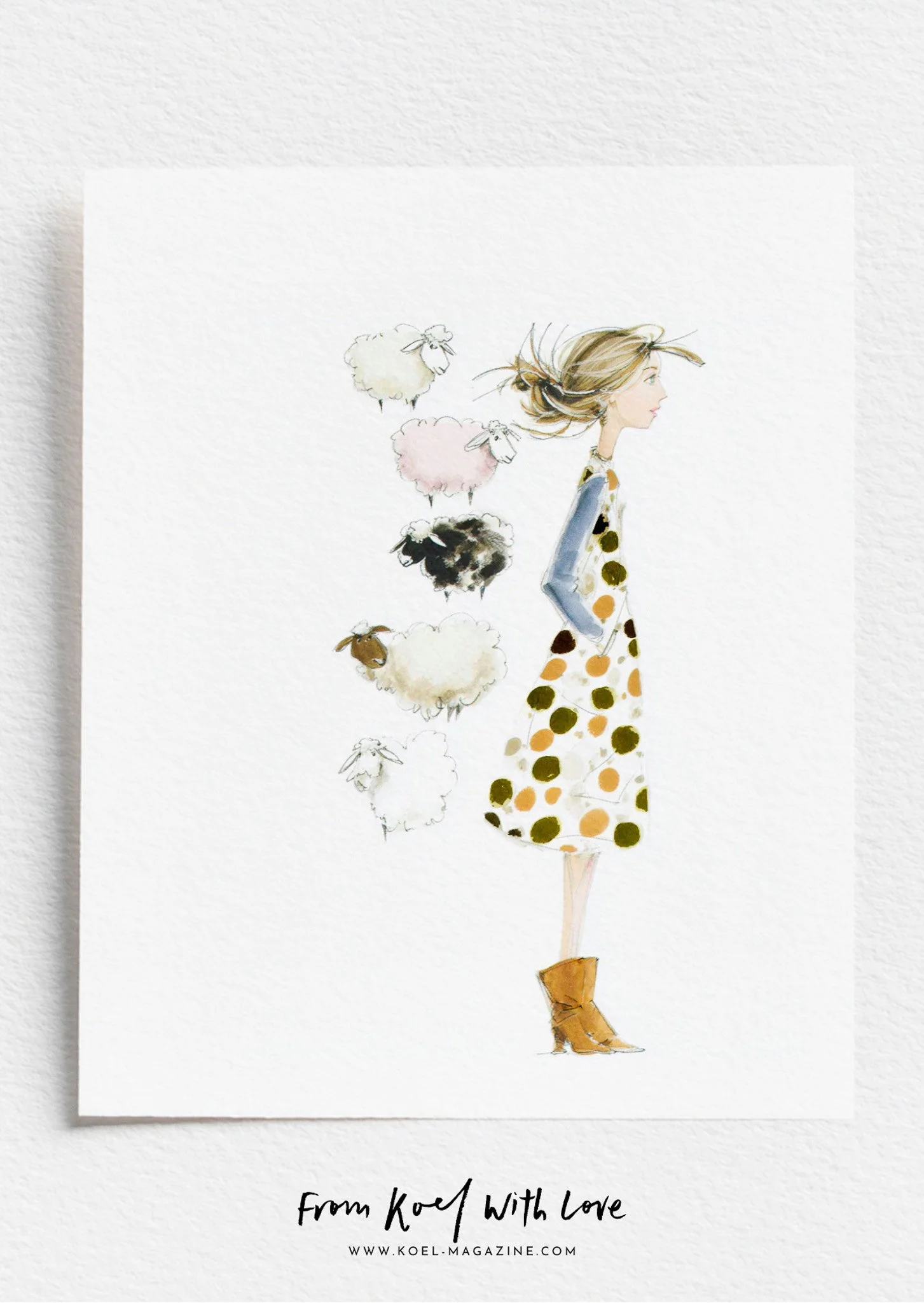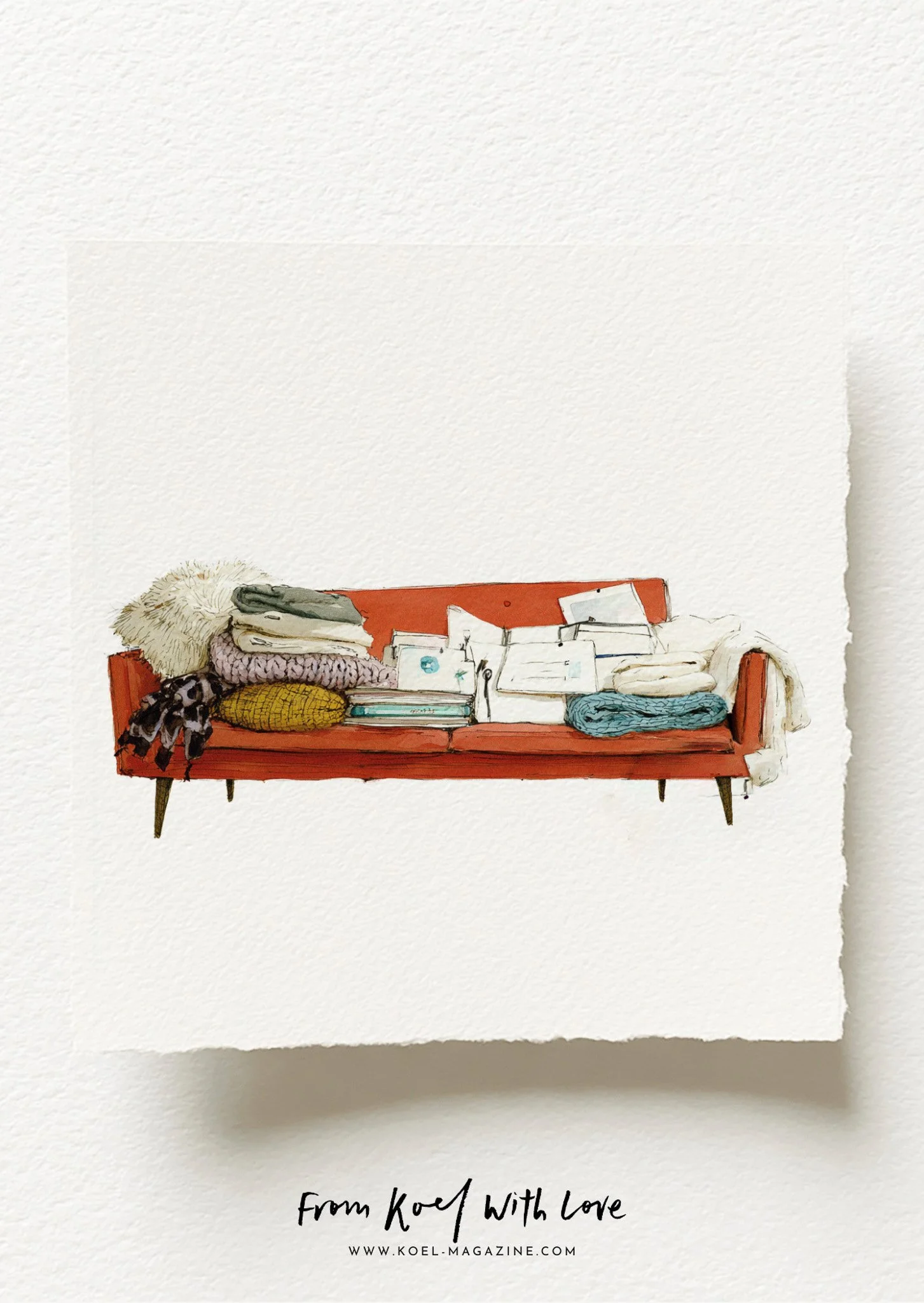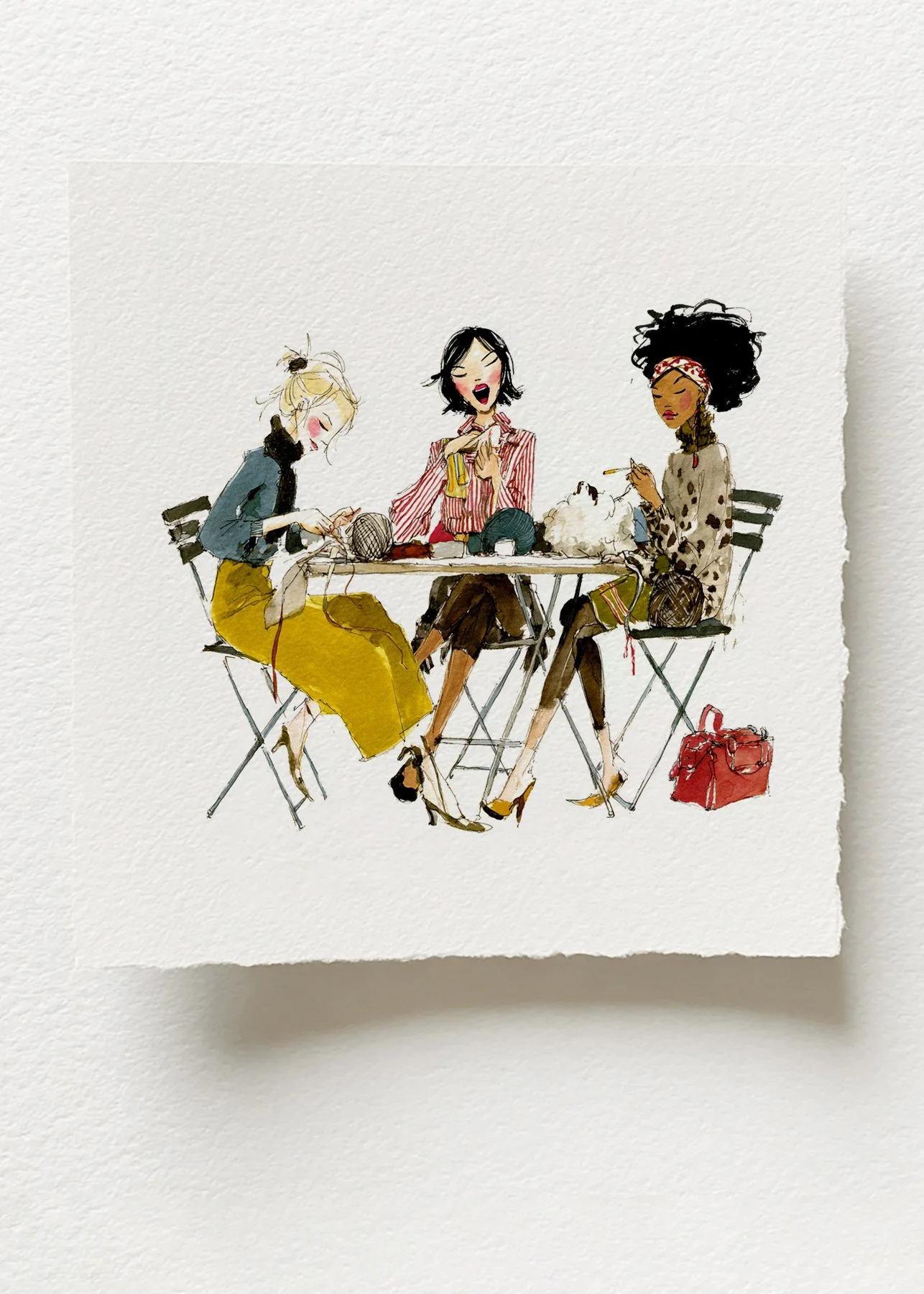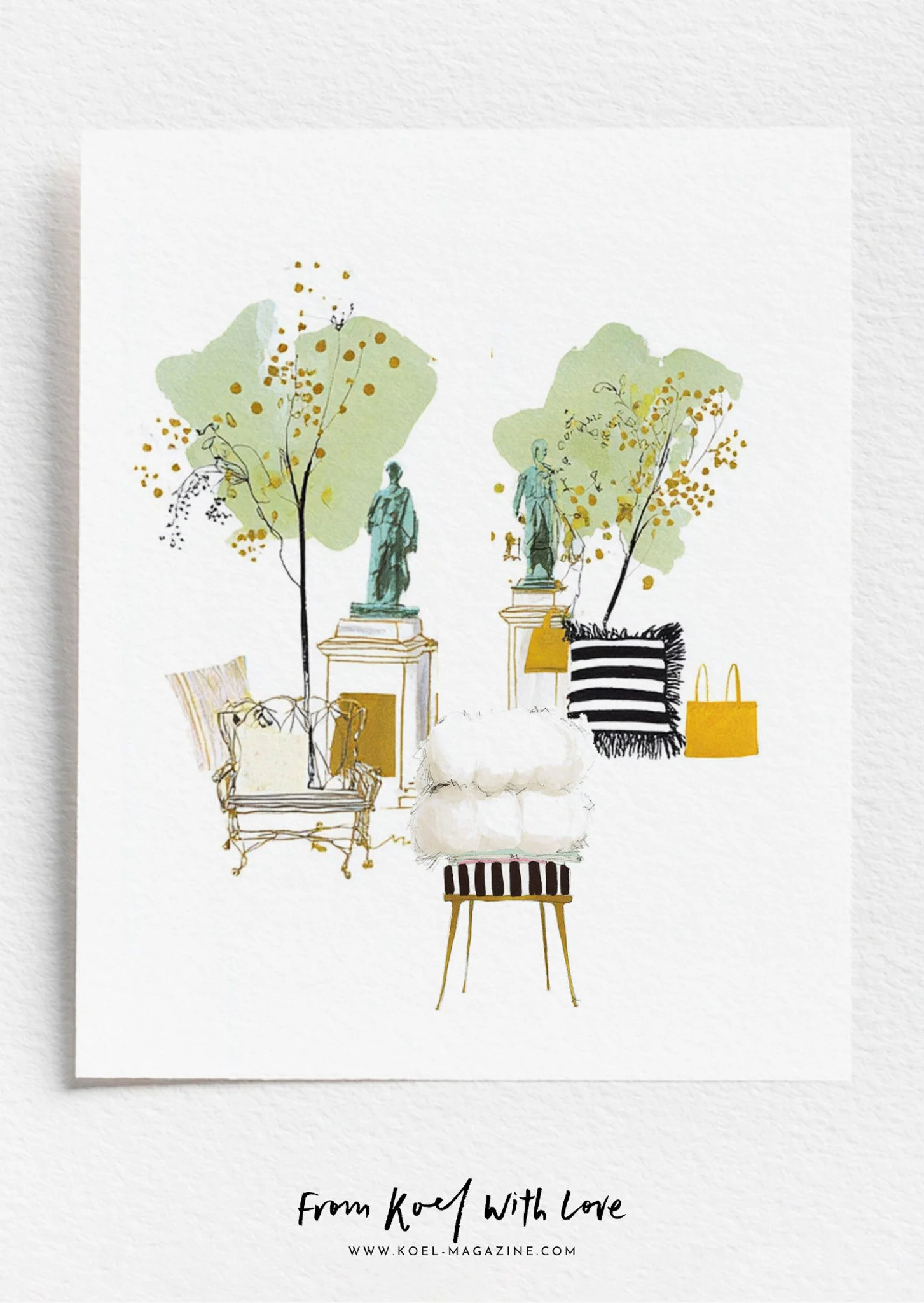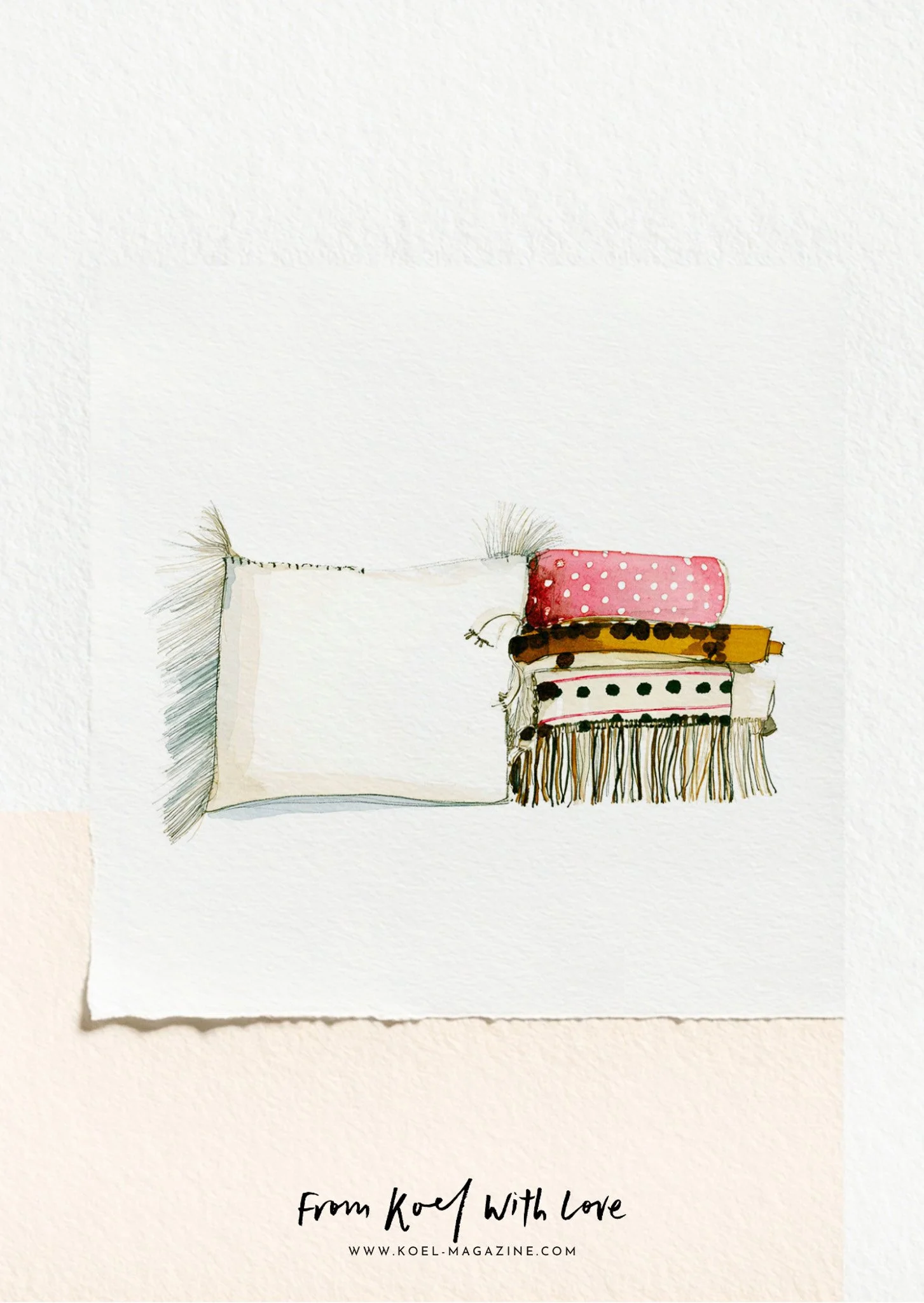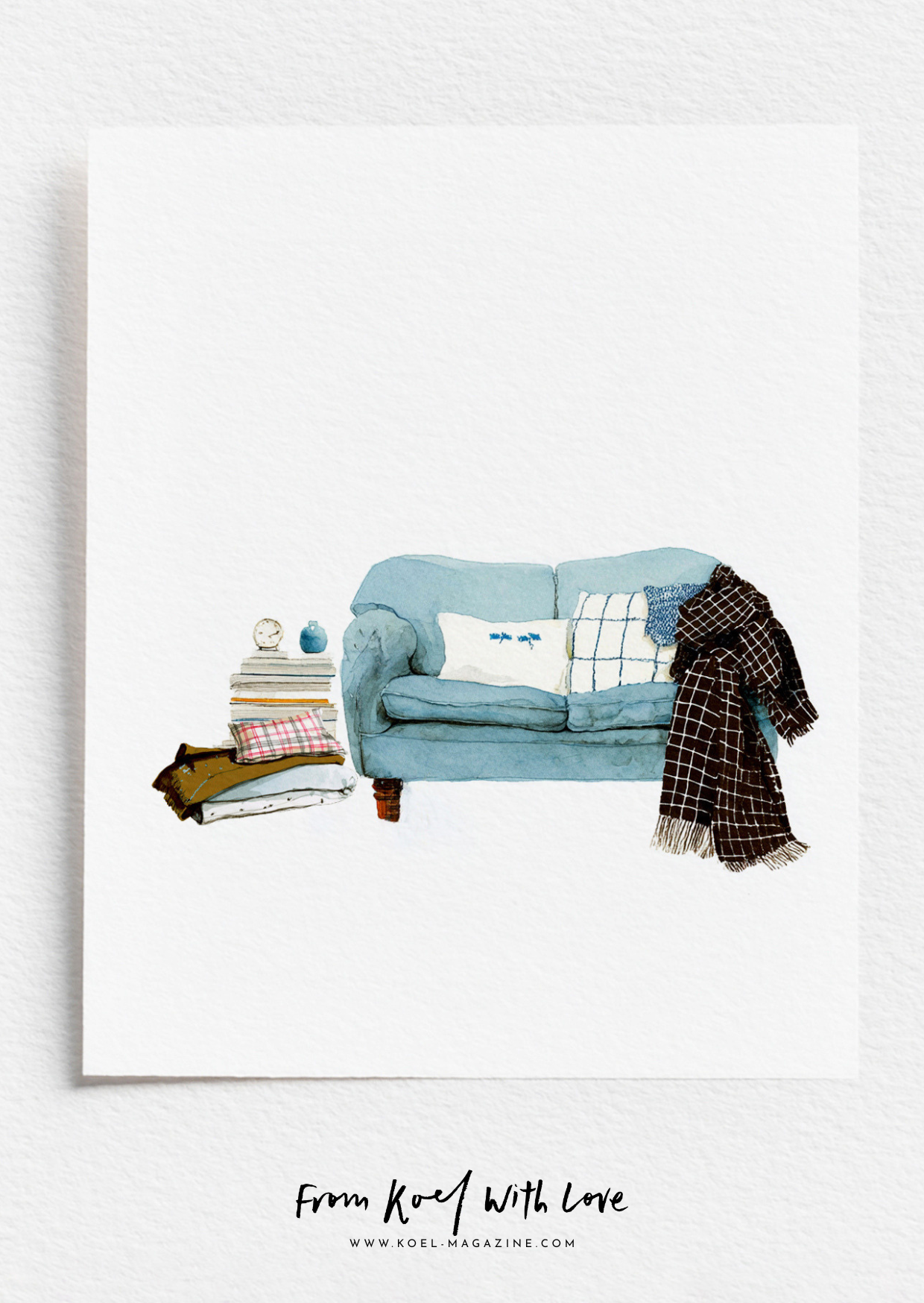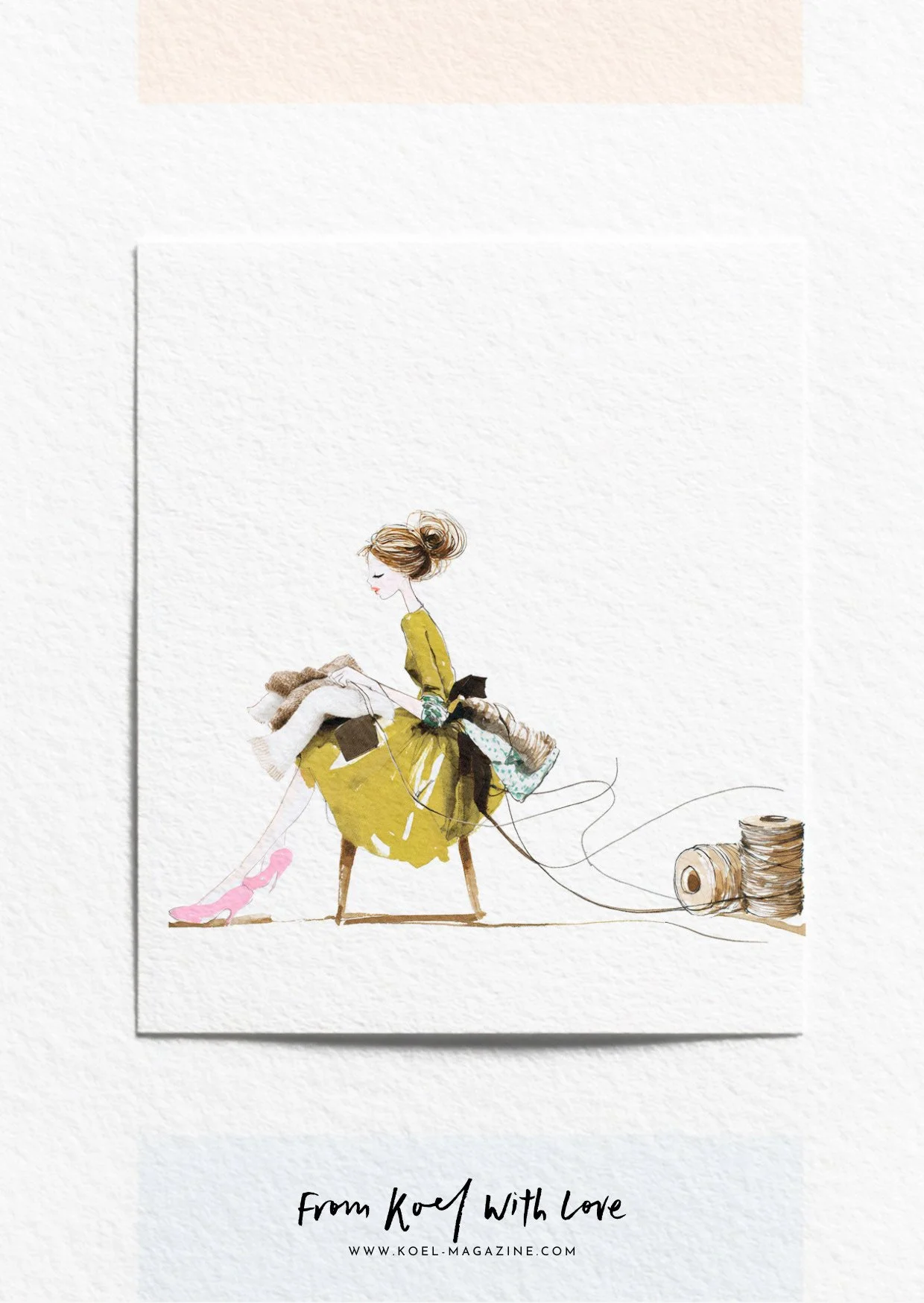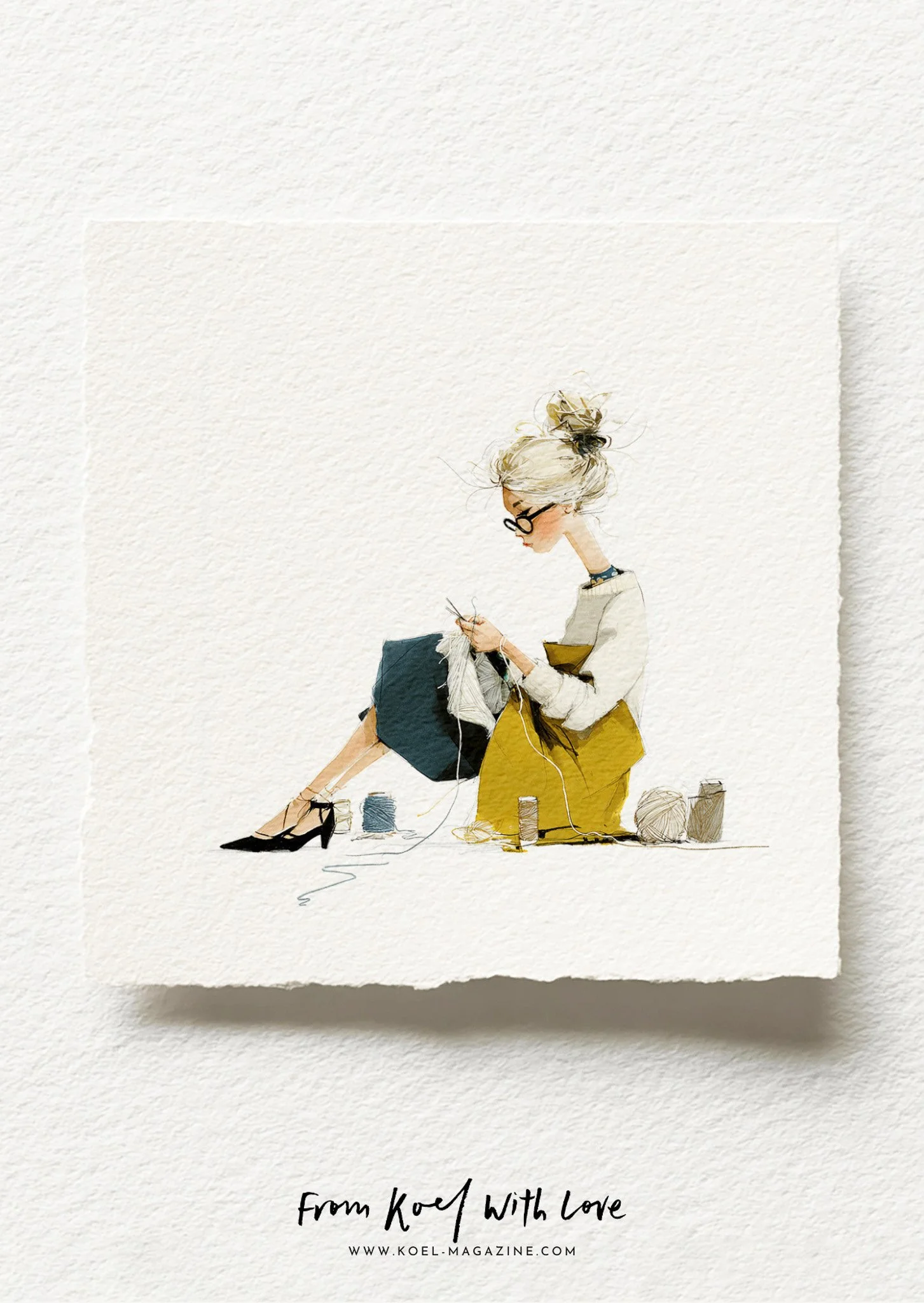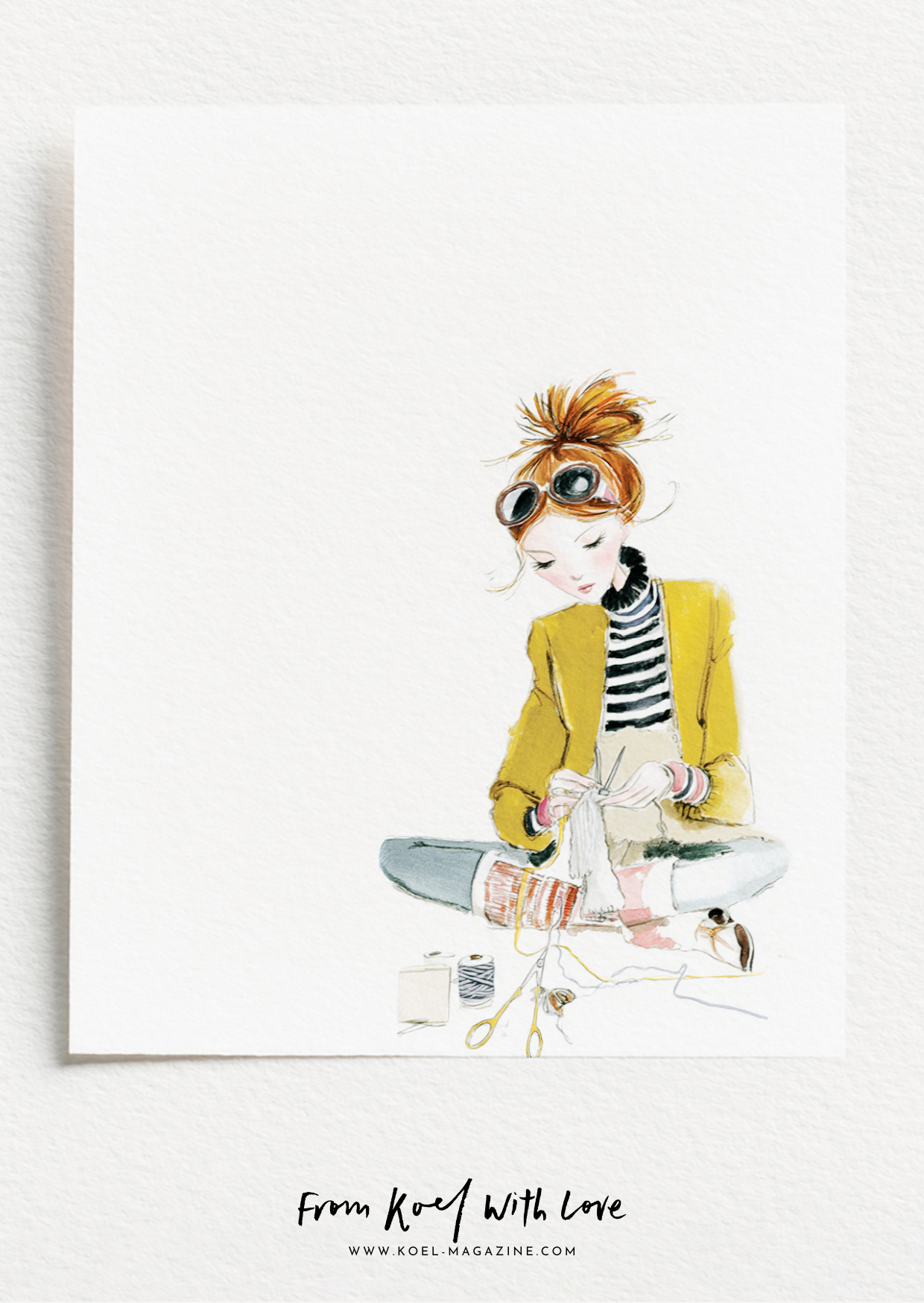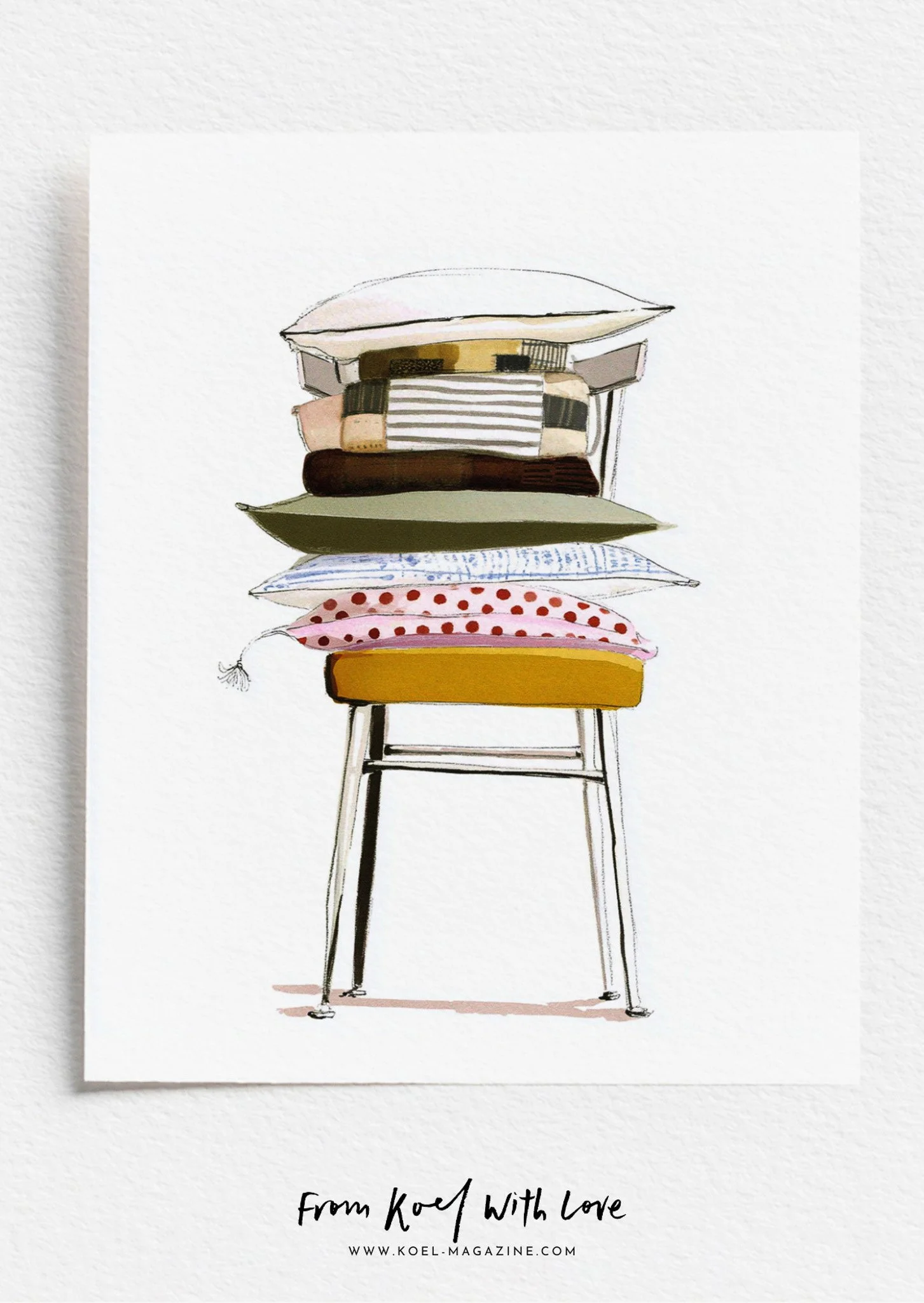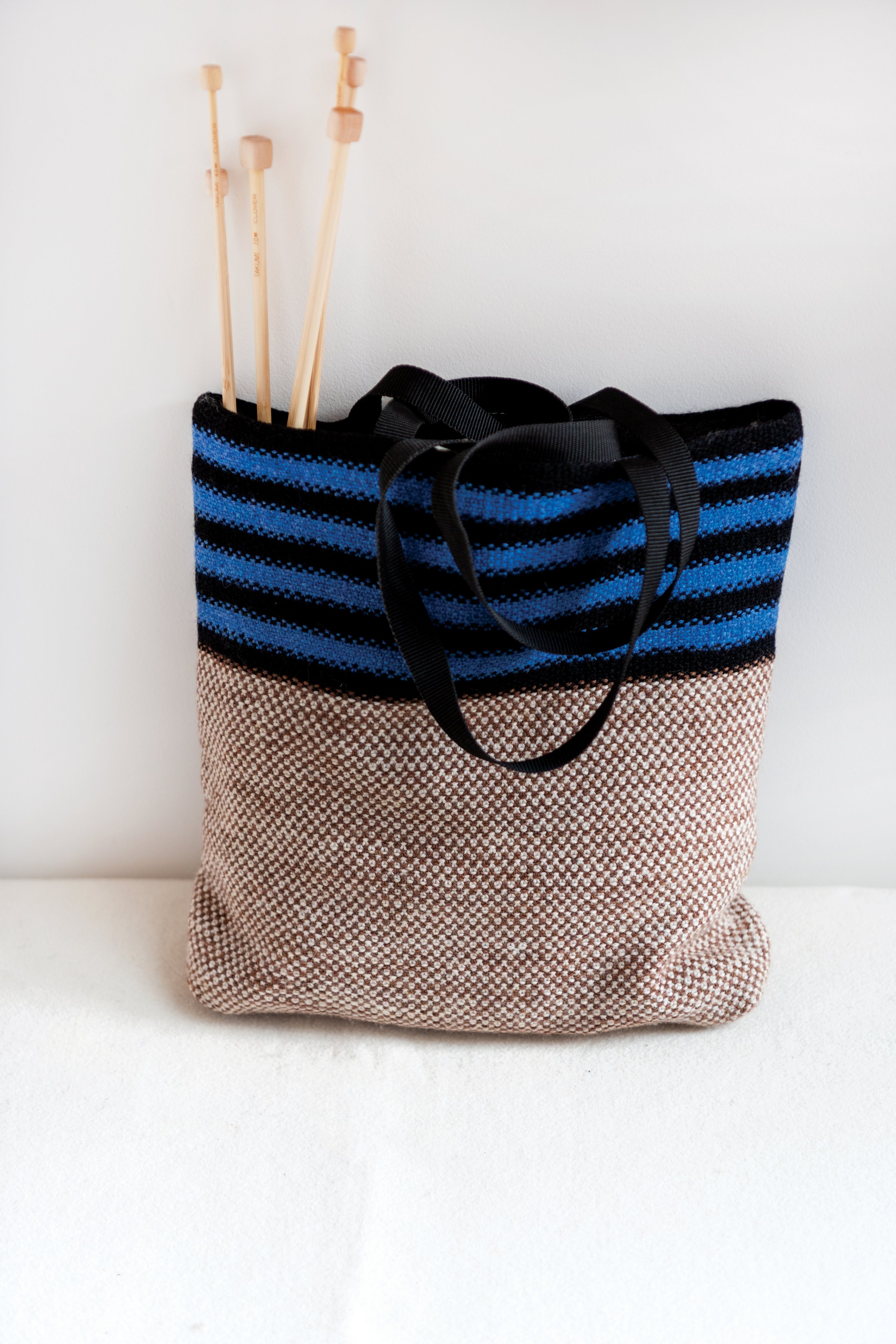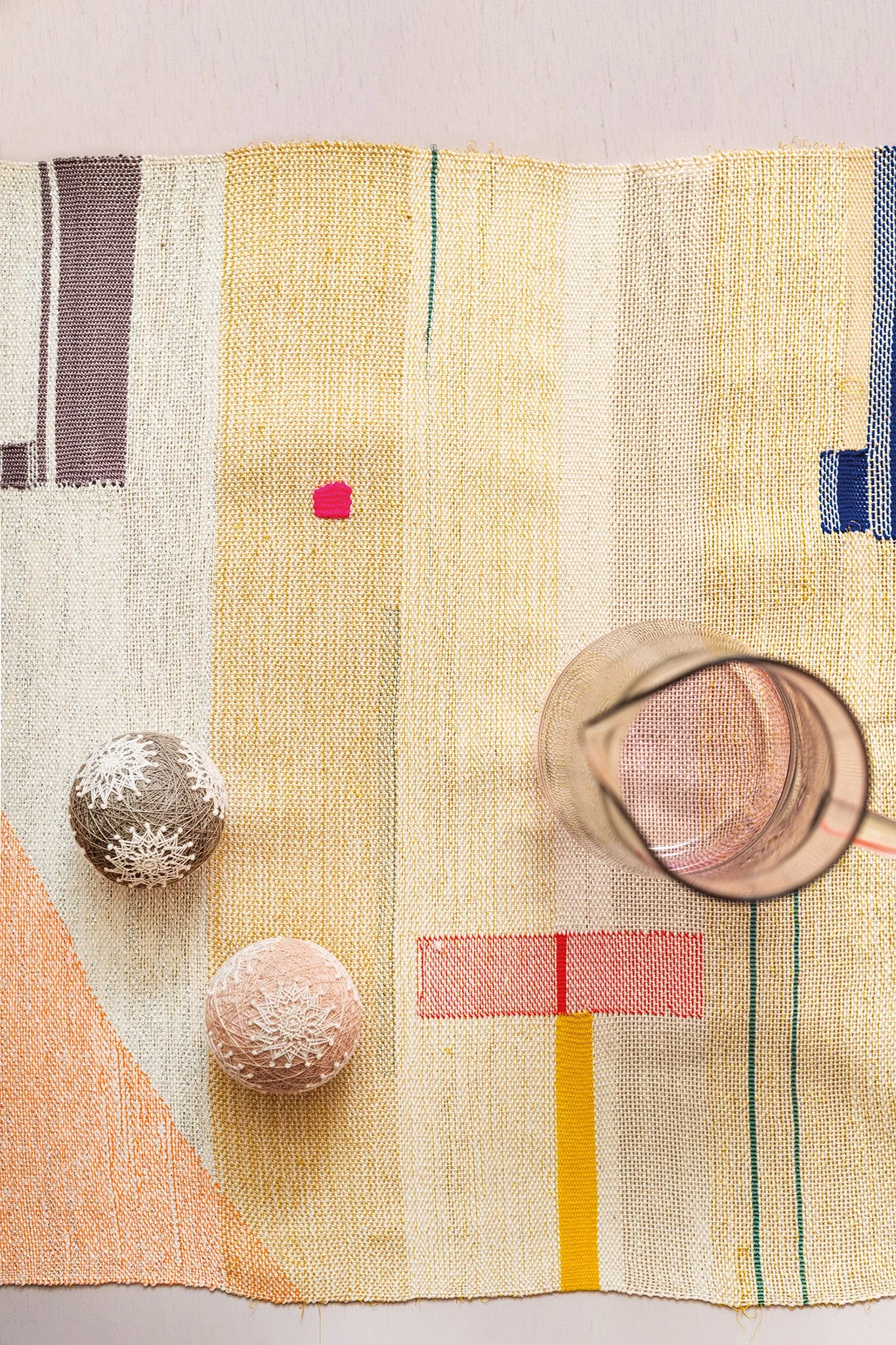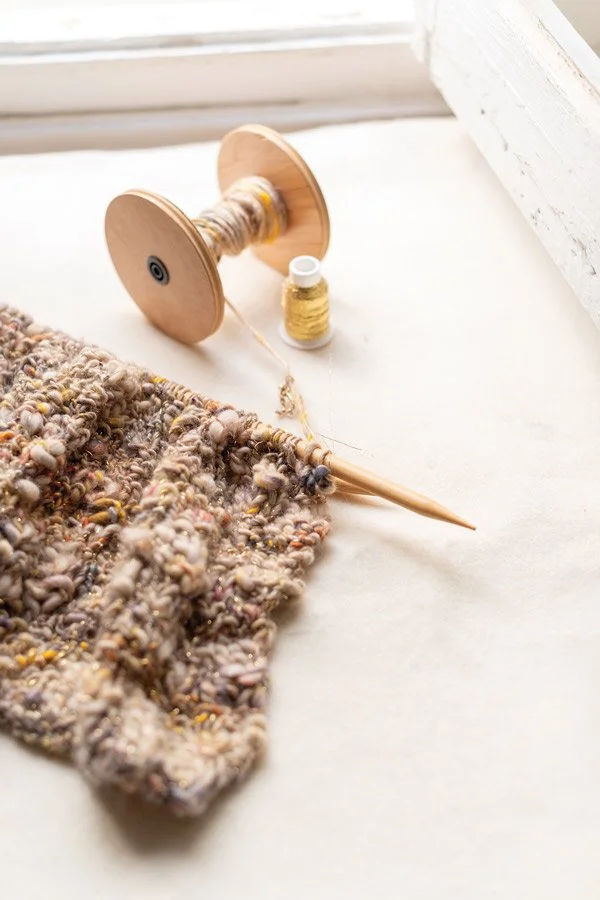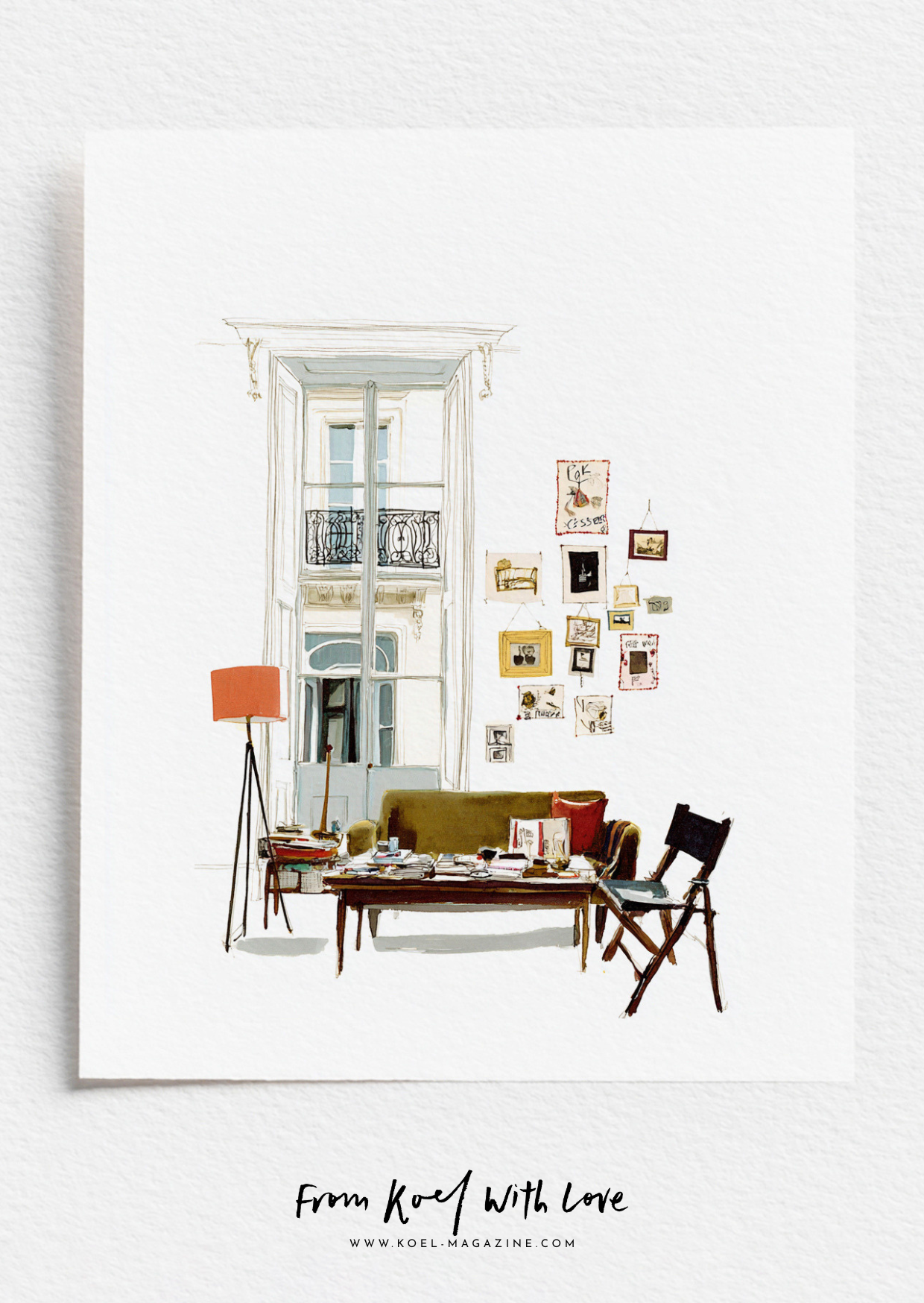
They walked in and reached for the cushion. Yarn does that.
There is a room that looks good in photos and a room that makes people cross it to touch something. They are not always the same room. The first is designed for the eye. The second is designed for the hand. Yarn is what makes the difference.
A chunky knitted throw on the sofa arm. A mohair cushion that no one can resist pressing. A woven pouf that invites itself to be sat on without asking. A macramé panel on the wall that stops people mid-conversation. None of these shout. They do something quieter and more effective... they pull. The living room becomes the kind of space where guests arrive and immediately relax, not because it is perfect, but because it is warm in the way that only handmade things can be.
Touch is the sense that design forgot. Yarn never did.
"The best compliment a room can get is someone reaching out to touch it."
Pass this to the friend whose living room looks great but feels nothing... yarn fixes that.→
In case you missed these….
Michelle Maclise wanted to work for Walt Disney. That version never arrived.
Estate sales. Charity shops. Online classifieds. Fiber arts communities.
Lanuginous. /luh-NEW-jih-nus/. Adjective. Covered in fine, soft down.
Brioche is a two-row repeat: knit, yarn-forward, slip. That's it.
That idea you keep talking about with your friend? It's time to do something with it.
Hand-sawn, upholstered, assembled. No two pieces the same. No blueprint either.
Wine tourism built an entire industry on the idea that knowing where something comes from makes it taste better.
Charts aren't a different language. They're a shorter one.
Late, mid-story, already laughing. She's the reason you stayed. She derails everything. She makes everything better.
She builds the frame, sets the grid, then lets the paint disrupt everything.
Start with what you already have. A glass bottle, a ceramic vase, a found object with a good silhouette. Yarn does not need to start from nothing.
You spent hours on it. The fabric is beautiful. The stitches are even.
It starts innocently. A pattern calls for DK weight and suddenly you're standing in a yarn shop holding a merino in one hand and a cotton in the other, wondering what you actually believe.
The most countercultural thing you can do right now fits in a project bag.
A van, a punch needle, and half a year on the road. Now: Italian mountains.
Every pattern you've ever knitted started as someone's hunch. A stitch combination, a silhouette, a color sequence that wouldn't leave them alone.
The selvedge is the self-finished edge of woven fabric, born when the weft thread turns back on itself and says, that's enough, I've got this.
The pattern that works in every room and every craft.
When the forecaster talks, the fiber world listens. Wool is having a moment. The sheep knew first.
There is something almost comic about asking an algorithm for help with crafts that predate electricity by several thousand years.
Dorothy Offeciers once left her knitting bag on the metro on purpose. She was done with it.
There is a stitch that does not lie flat. It rises. It folds back on itself, catches shadow, creates depth where there was none.
Swiss darning goes by two names because it does two jobs. Call it duplicate stitch when you're adding a motif to a finished piece.
There is a version of this trend that starts with Pantone declaring white the color of the year and ends with everyone nodding politely.
Laetitia Dalbies makes fruit. Not as a metaphor. Her crochet tomatoes have weight and blush.
The cold rooms are leaving. Polished concrete, bare shelves, surfaces that echo... interior design spent a decade chasing the void and has now, quietly, reversed course.
In Amsterdam, someone decided that a listening bar was a perfectly reasonable place to knit. She was right.
Asako Sano's studio in Tokyo does not feel like Tokyo.
KOEL MAGAZINE
MODERN YARN STORIES
Real Stories. Real Patterns. Ideas YOU’ll want to make.