Tokyo, but slower.
Swedish patience, Tokyo address, no shortcuts.
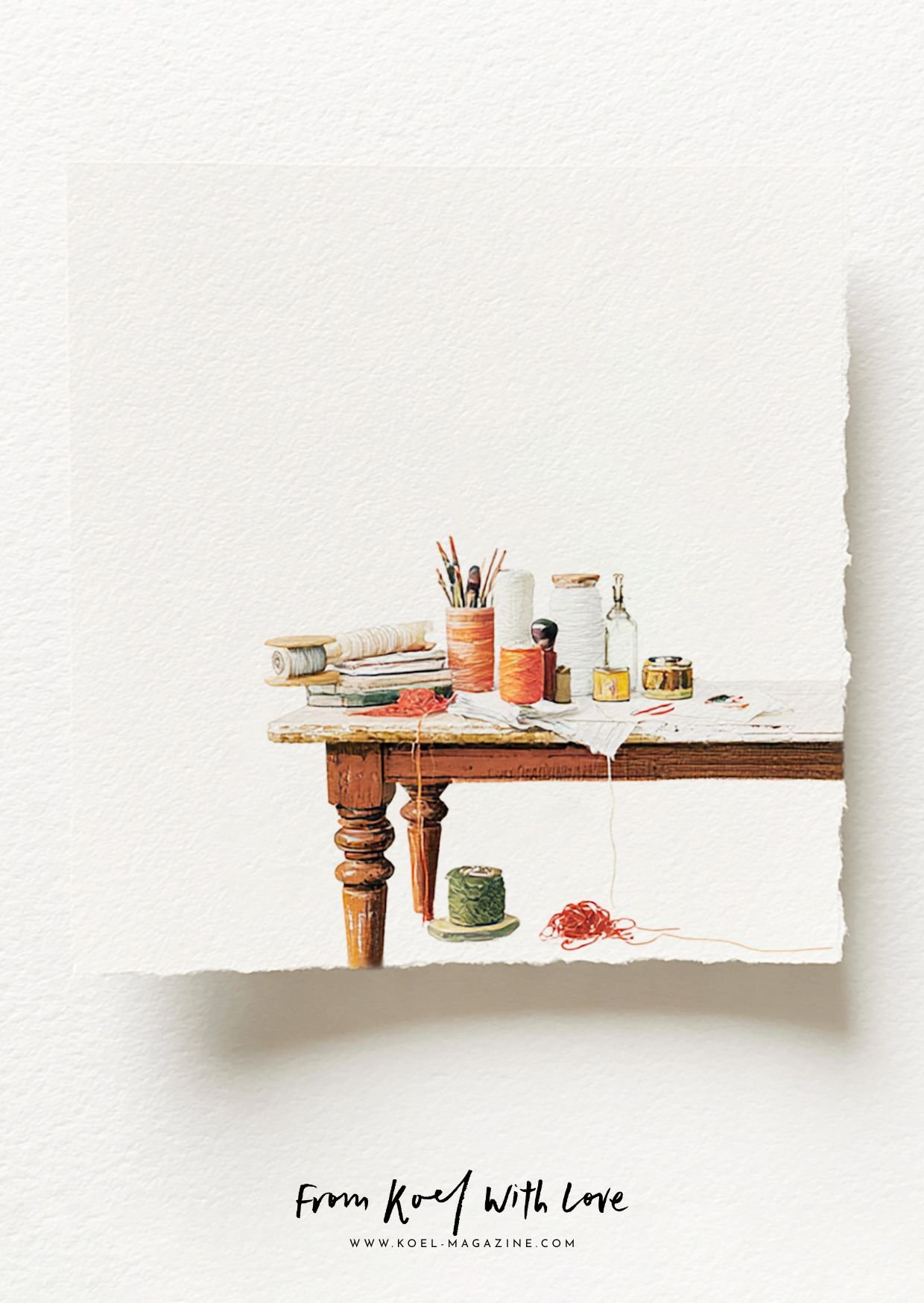
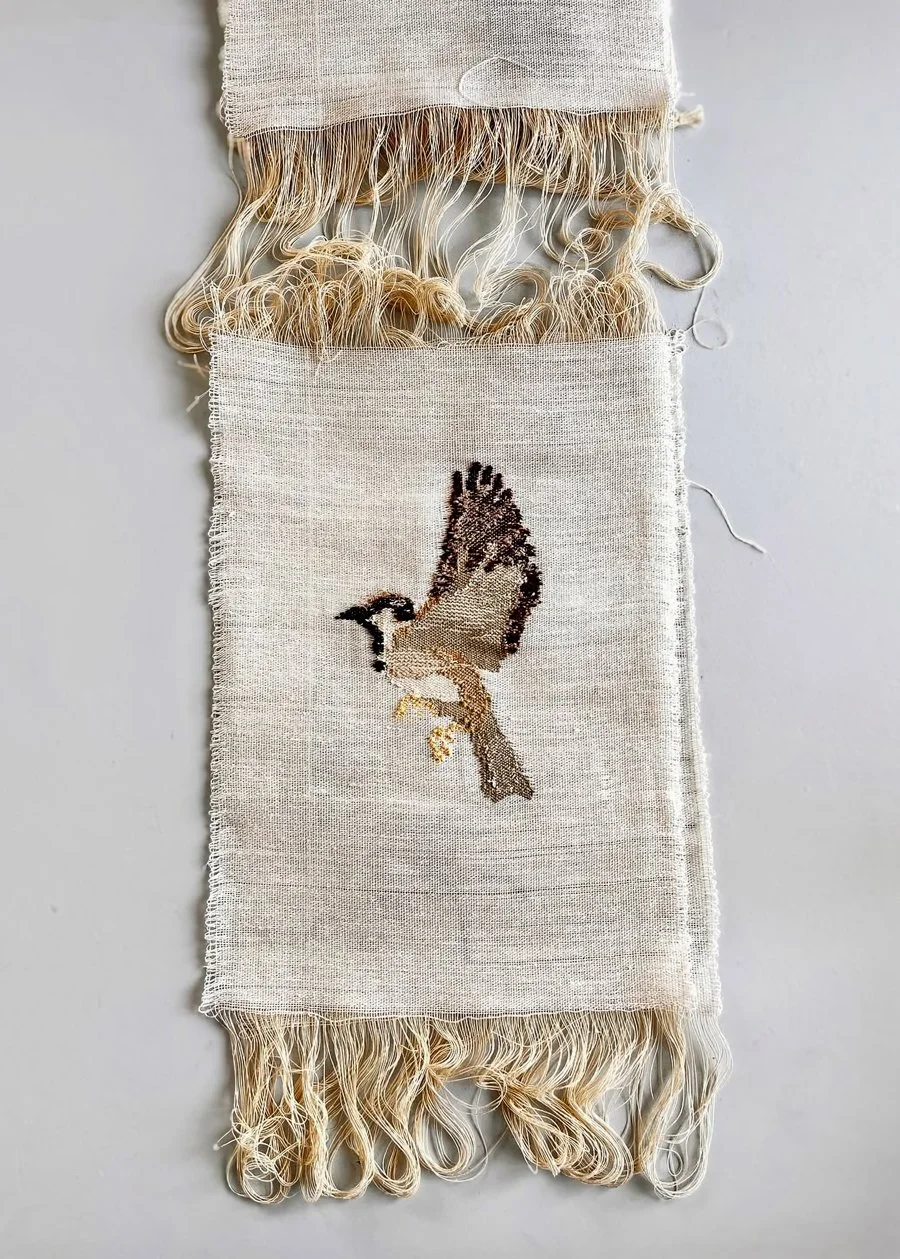
Asako Sano's studio in Tokyo does not feel like Tokyo. It sits in a quiet university neighborhood, filled with sunlight, wool, cotton, and no plastic. Found and Made, the space she built from an online shop in 2015 into a light-filled teaching studio, runs on a different clock than the city around it.
She was drawn to Swedish handicraft schools, their rhythm, their patience, their belief that making is a way of living. She brought that back to Japan and opened a room where beginners discover things through their own hands. That moment, she says, is the whole point.
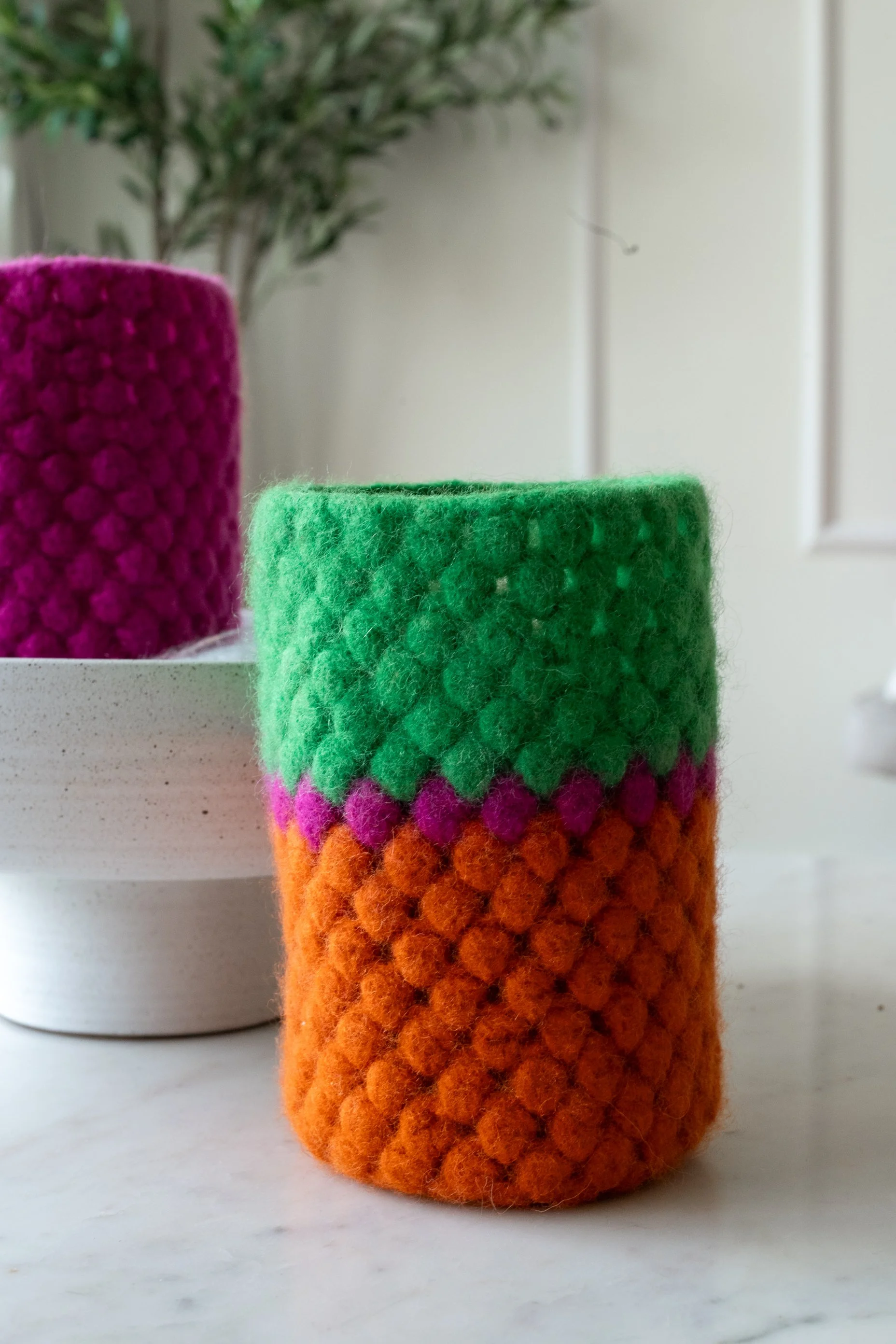
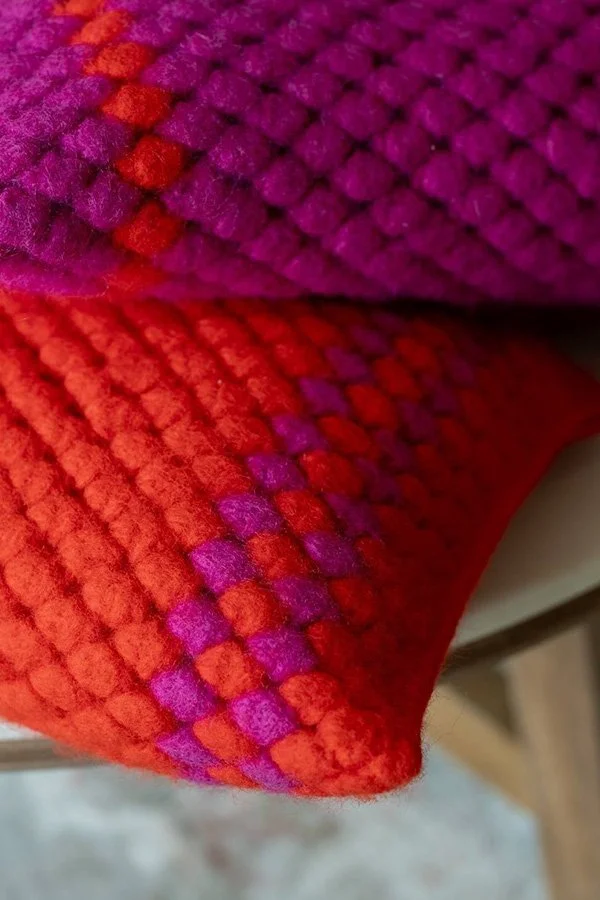
Her designs begin with materials, wool especially, for its history as much as its feel. Color stays subtle, combinations stay unexpected. Nothing is produced for its own sake. Students' questions shape new work as often as her own ideas do.
Future dream: a full handicrafts school. Weaving, she believes, has no end point.
"A more sustainable world, she has decided, begins with our own hands. She built a room to prove it."
The Makers : portraits in words
Slow making, shared freely. Pass this to someone ready to begin… →
In case you missed these….
Asako Sano's studio in Tokyo does not feel like Tokyo.
There is a room that looks good in photos and a room that makes people cross it to touch something.
Walk past the finished objects. Go straight for the fiber content labels.
Most of us have committed a little fiber snobbery at some point. The small wince at the mention of acrylic.
Waulking is the ancient practice of finishing handwoven wool by soaking it, then pounding and kneading it until the fibers lock together and the cloth becomes something it wasn't before.
Saara Autere's apartment in Helsinki sounds like a concert. The album covers on her walls are not decoration.
The method is older than it looks. String your beads onto the yarn before you cast on, warp your loom, or make your first chain.
You are mid-row, counting under your breath, and they lean over. Have you tried a different needle size?
There is a shift happening in the way people think about textile work. Not as something made for function, not as a hobby with a finished object at the end...
Neringa Rūkė starts every morning with knitting. Not to produce. To think. Her brand, Rūkė Knit, is named for fog: layered, soft, and quietly powerful.
You already have three people in mind. You've mentioned it once, maybe twice, in a group chat that went quiet.
Art yarn is handspun yarn that has no interest in being uniform. Thick and thin.
Flowers have been worked into textiles for as long as there have been hands to hold a hook or needles.
There is a moment, usually ten minutes in, when the noise and the color and the smell of it all lands at once.
Just outside Dublin, Kathryn Davey is mapping color. Not on a screen. In trees.
A steek is a column of extra stitches added to a piece of stranded colorwork knitting specifically so you can cut it open later.
Stefanija Pejchinovska does not begin with new materials. She begins with what already exists.
The local yarn shop is a particular kind of place. Classes on Tuesday evenings.
Cables were not designed for cushions. They were designed for survival.
The lampshade in that photo. You can make that. A crocheted lampshade does something no bought shade can.
Ana Sebastião crochets every day. Not as a practice, not as a ritual. As a fact of life, the way some people make coffee or check the weather.
There is a particular kind of focus that happens when your hands are occupied and your ears are free. The project moves.
They are showing up everywhere. On studio worktables, in maker videos, at fiber festivals next to spinning wheels and blocking mats.
Calling It a UFO Doesn't Make You Charming. It Makes You Avoidant. The UFO isn't lost. You know exactly where you put it.
The stitches disappeared. Something better remained. Felting's more controlled cousin explained.
When the invasion began, Valerie Boiko left her Ukrainian hometown with almost nothing. Almost. The yarn and the crochet hook came with her.
Somewhere along the way, knitting got rebranded as the new yoga. Calming. Restorative. A gentle hobby for people who need to slow down.
According to Tagwalk, fringe surged 93 percent across New York Fashion Week for spring/summer 2026.
Wallpaper has had a long run. Pattern, texture, color, all rolled out and pasted into place.
KOEL MAGAZINE
MODERN YARN STORIES
Real Stories. Real Patterns. Ideas YOU’ll want to make.