Re-cycle.
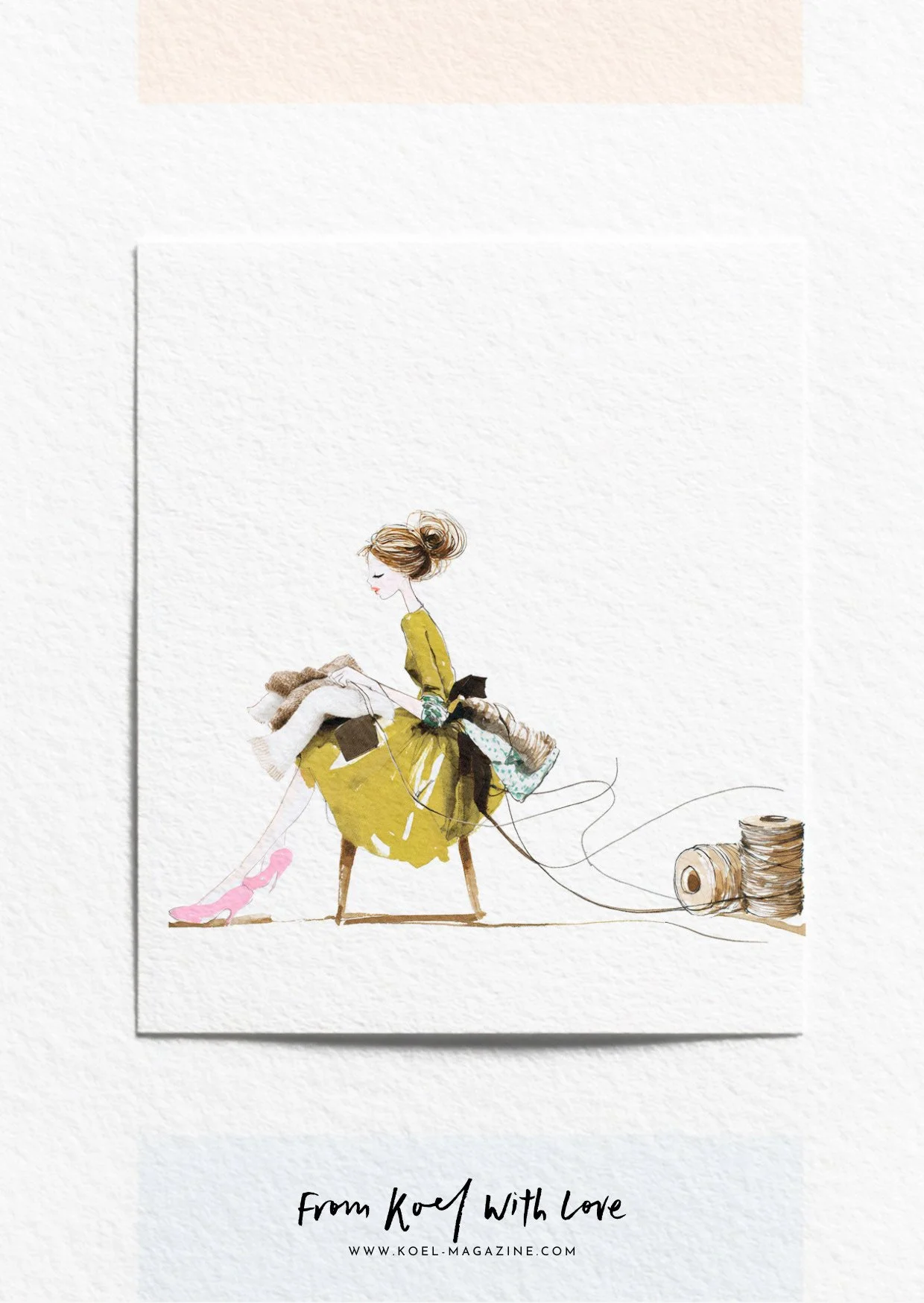
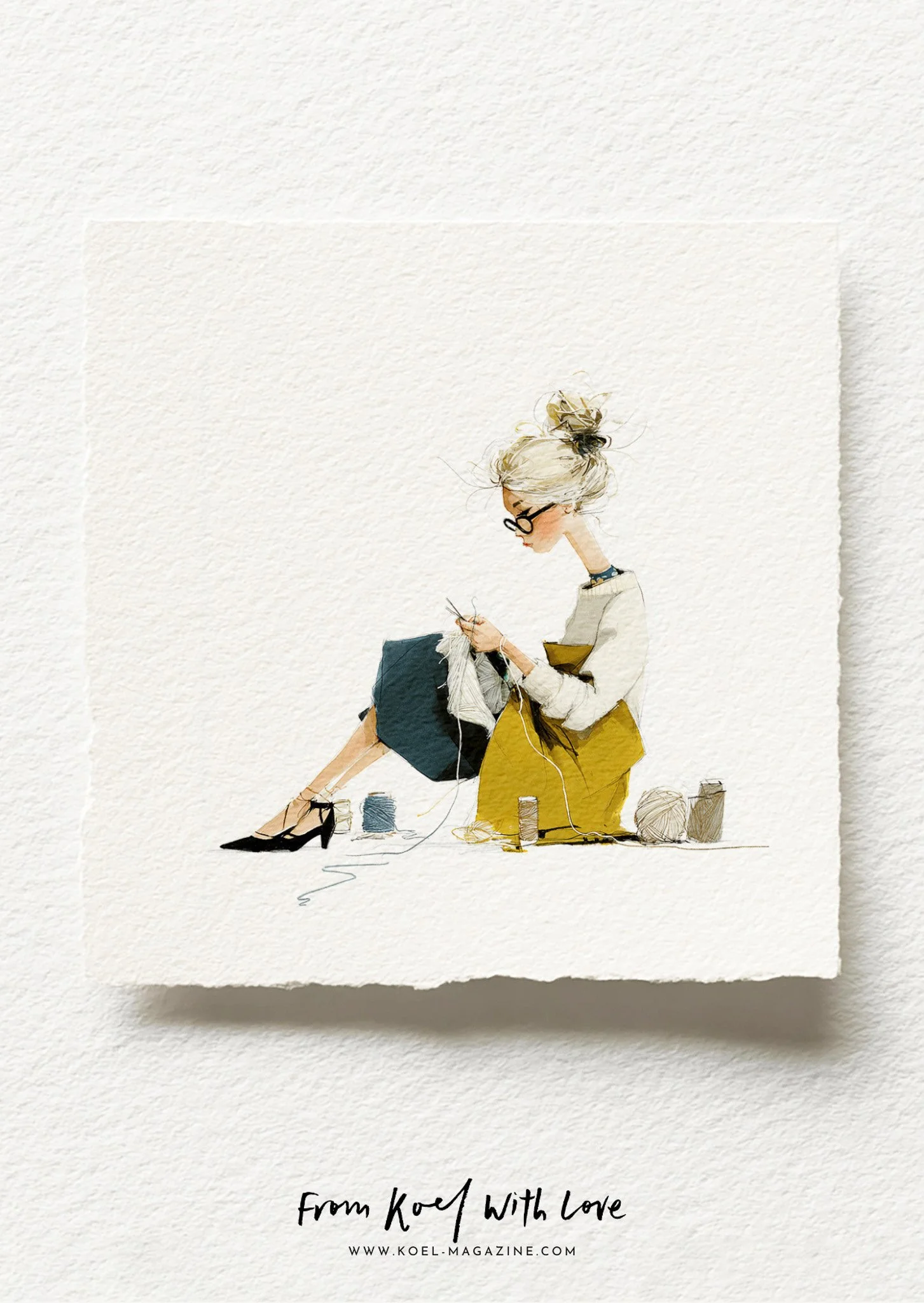
The thrift store had a cashmere cardigan for $4. You have a seam ripper and a free afternoon.
Walk past the finished objects. Go straight for the fiber content labels. That sad, slightly misshapen cardigan in the corner is not a cardigan. It is raw material in a bad cut.
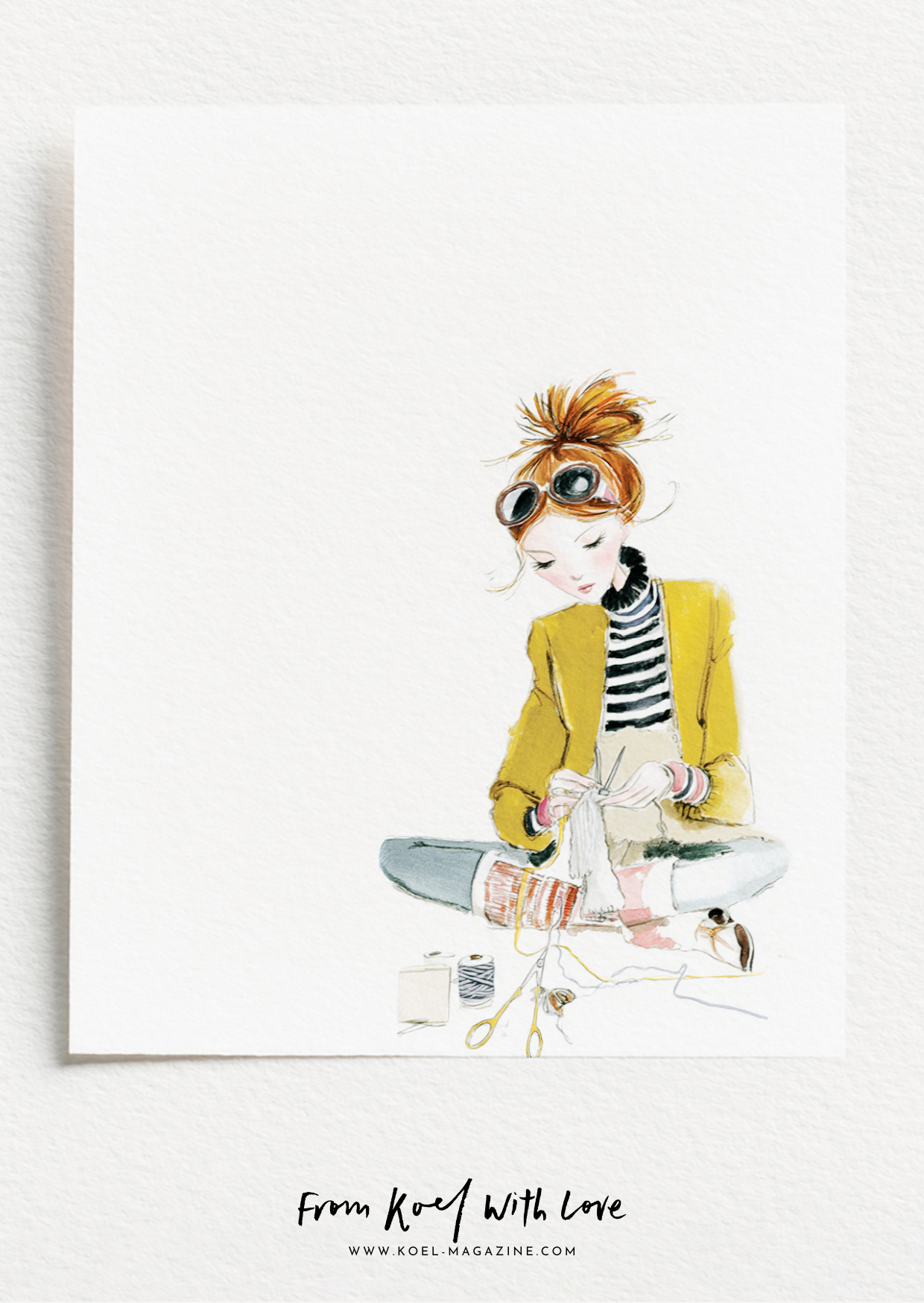
Frogging thrifted sweaters is the oldest yarn recycling trick going, and TikTok has made it loud again. The math is genuinely embarrassing: cashmere for the price of a latte, merino for less than a bus fare. Check the seams before you buy. Serged seams are a hard no — the yarn shreds into confetti the moment you pull. Look for chain-stitched joins instead. Clip the shoulder seams, attach the loose end to a winder, and pull. One sweater becomes four skeins in an afternoon.
The yarn comes out kinked. A quick soak and a hang to dry fixes it. What you end up with has no dye lot anxiety, no shipping wait, and a better origin story than anything on a skein label.
Buy the largest size on the rack. More sweater, more yarn. Everything else is instinct.
"Somewhere in a bin right now, a cashmere sweater has your name on it. It just hasn't been unraveled yet."
Pass this along. A thrift store, a yarn winder, and an afternoon.… →
In case you missed these….
Walk past the finished objects. Go straight for the fiber content labels.
Most of us have committed a little fiber snobbery at some point. The small wince at the mention of acrylic.
Waulking is the ancient practice of finishing handwoven wool by soaking it, then pounding and kneading it until the fibers lock together and the cloth becomes something it wasn't before.
Saara Autere's apartment in Helsinki sounds like a concert. The album covers on her walls are not decoration.
The method is older than it looks. String your beads onto the yarn before you cast on, warp your loom, or make your first chain.
You are mid-row, counting under your breath, and they lean over. Have you tried a different needle size?
There is a shift happening in the way people think about textile work. Not as something made for function, not as a hobby with a finished object at the end...
Neringa Rūkė starts every morning with knitting. Not to produce. To think. Her brand, Rūkė Knit, is named for fog: layered, soft, and quietly powerful.
You already have three people in mind. You've mentioned it once, maybe twice, in a group chat that went quiet.
Art yarn is handspun yarn that has no interest in being uniform. Thick and thin.
Flowers have been worked into textiles for as long as there have been hands to hold a hook or needles.
There is a moment, usually ten minutes in, when the noise and the color and the smell of it all lands at once.
Just outside Dublin, Kathryn Davey is mapping color. Not on a screen. In trees.
A steek is a column of extra stitches added to a piece of stranded colorwork knitting specifically so you can cut it open later.
Stefanija Pejchinovska does not begin with new materials. She begins with what already exists.
The local yarn shop is a particular kind of place. Classes on Tuesday evenings.
Cables were not designed for cushions. They were designed for survival.
The lampshade in that photo. You can make that. A crocheted lampshade does something no bought shade can.
Ana Sebastião crochets every day. Not as a practice, not as a ritual. As a fact of life, the way some people make coffee or check the weather.
There is a particular kind of focus that happens when your hands are occupied and your ears are free. The project moves.
They are showing up everywhere. On studio worktables, in maker videos, at fiber festivals next to spinning wheels and blocking mats.
Calling It a UFO Doesn't Make You Charming. It Makes You Avoidant. The UFO isn't lost. You know exactly where you put it.
The stitches disappeared. Something better remained. Felting's more controlled cousin explained.
When the invasion began, Valerie Boiko left her Ukrainian hometown with almost nothing. Almost. The yarn and the crochet hook came with her.
Somewhere along the way, knitting got rebranded as the new yoga. Calming. Restorative. A gentle hobby for people who need to slow down.
According to Tagwalk, fringe surged 93 percent across New York Fashion Week for spring/summer 2026.
Wallpaper has had a long run. Pattern, texture, color, all rolled out and pasted into place.
In Brixton, Melanie Bowles set up a three-meter embroidery table and invited strangers to sit down. She called it The Supper Cloth.
It starts innocently. Someone mentions they knit Continental. Someone else sets down their needles.
KOEL MAGAZINE
MODERN YARN STORIES
Real Stories. Real Patterns. Ideas YOU’ll want to make.