Origami.
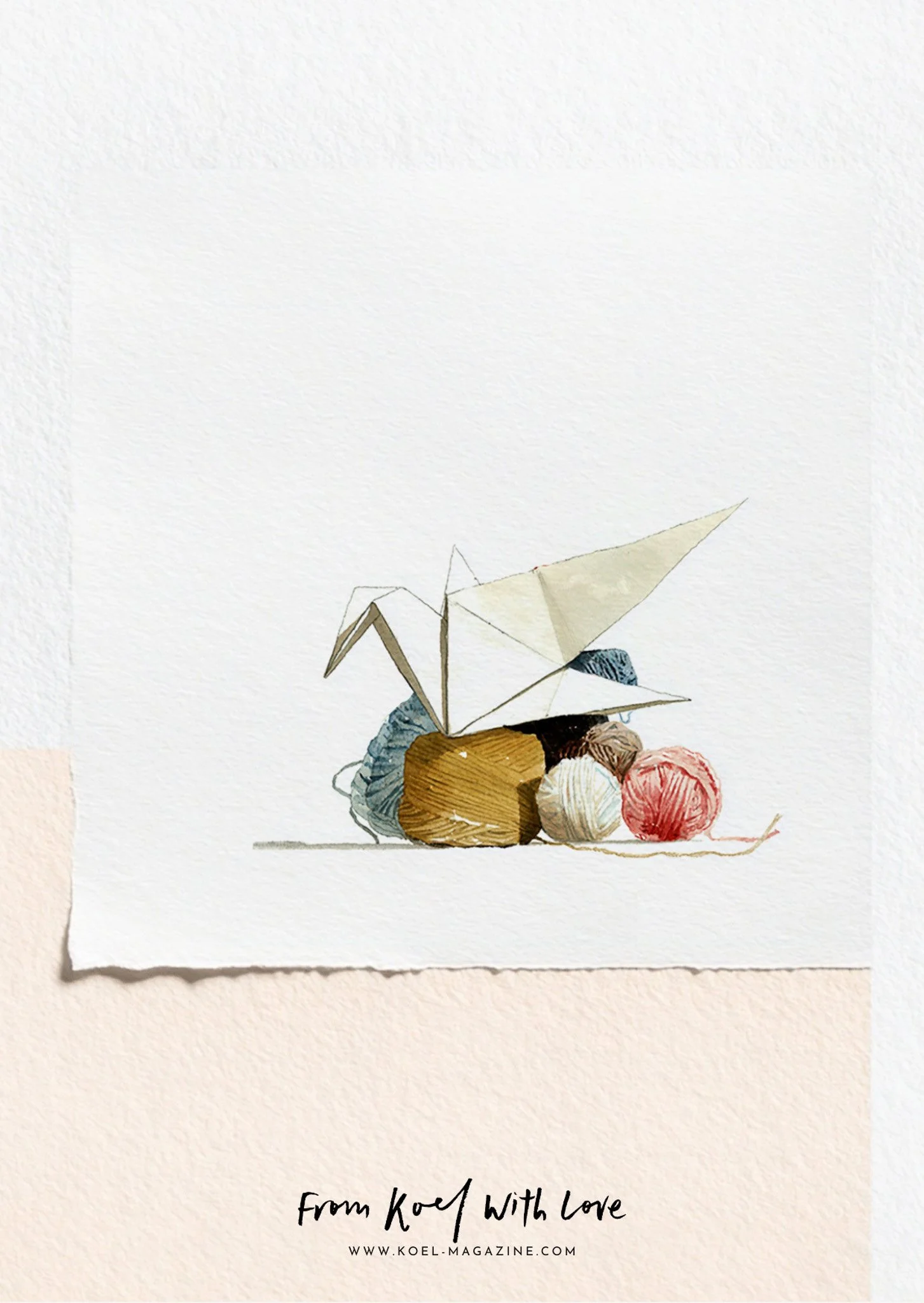
Knitting that forgets it's supposed to lie flat.
Origami begins with a flat sheet and ends with a form. Textile origami begins with a flat piece of knitting and arrives at the same place, through folding, pleating, and manipulating fabric that was never meant to stay two-dimensional.
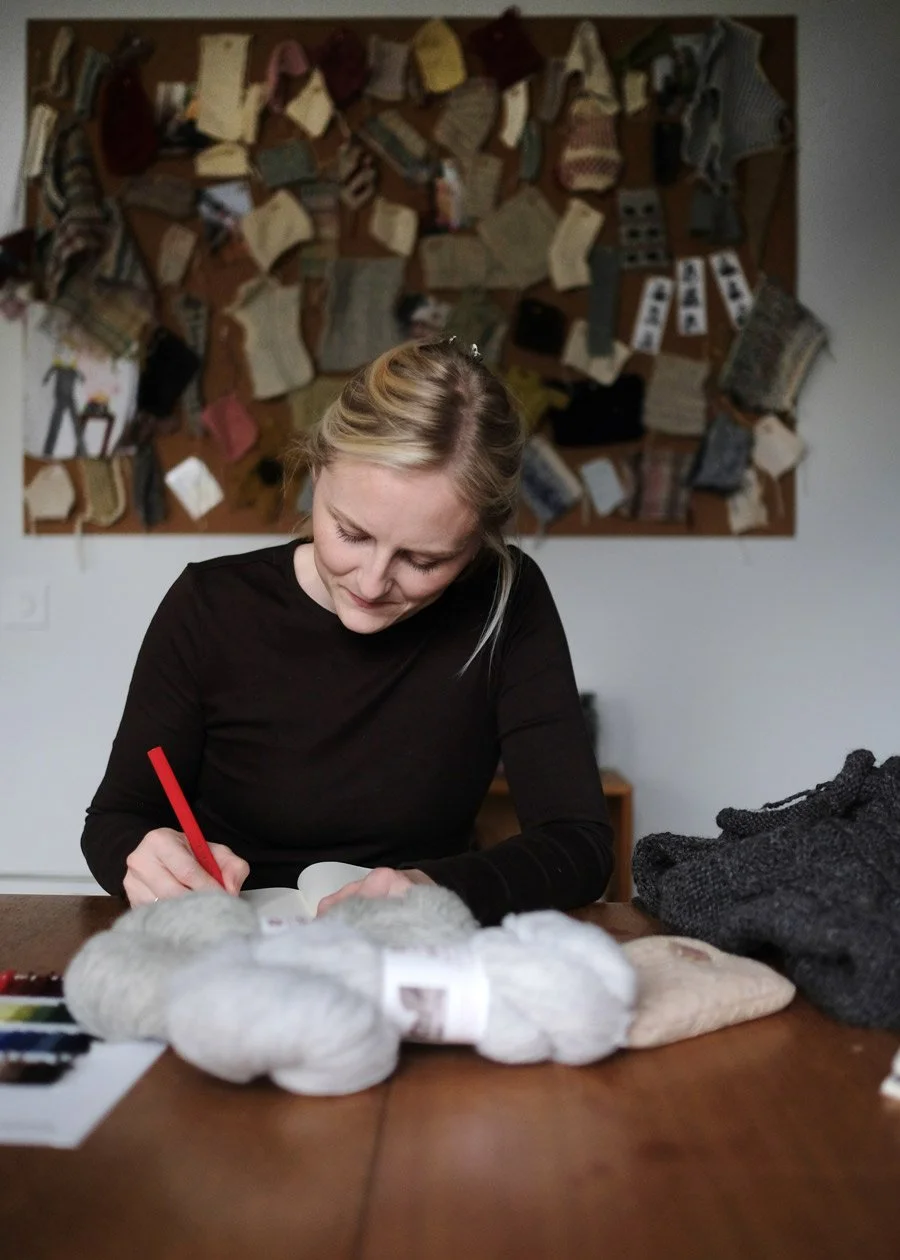
Knitwear designer Rastus Hsu works exactly this territory. Geometric folds, precise pleats, knitted fabric behaving like paper that has been convinced it has an opinion about structure. The results sit somewhere between craft object and architectural model, the kind of thing that earns a place on a shelf not because it's decorative but because it's asking a question.
The technique is more accessible than it looks. Start with a firmly knitted square in a non-stretchy yarn: cotton, linen, or a wool-cotton blend. Score the fold lines with pins. Work the pleats by hand. The knitted structure holds the crease better than you'd expect and releases it when you want to start over.
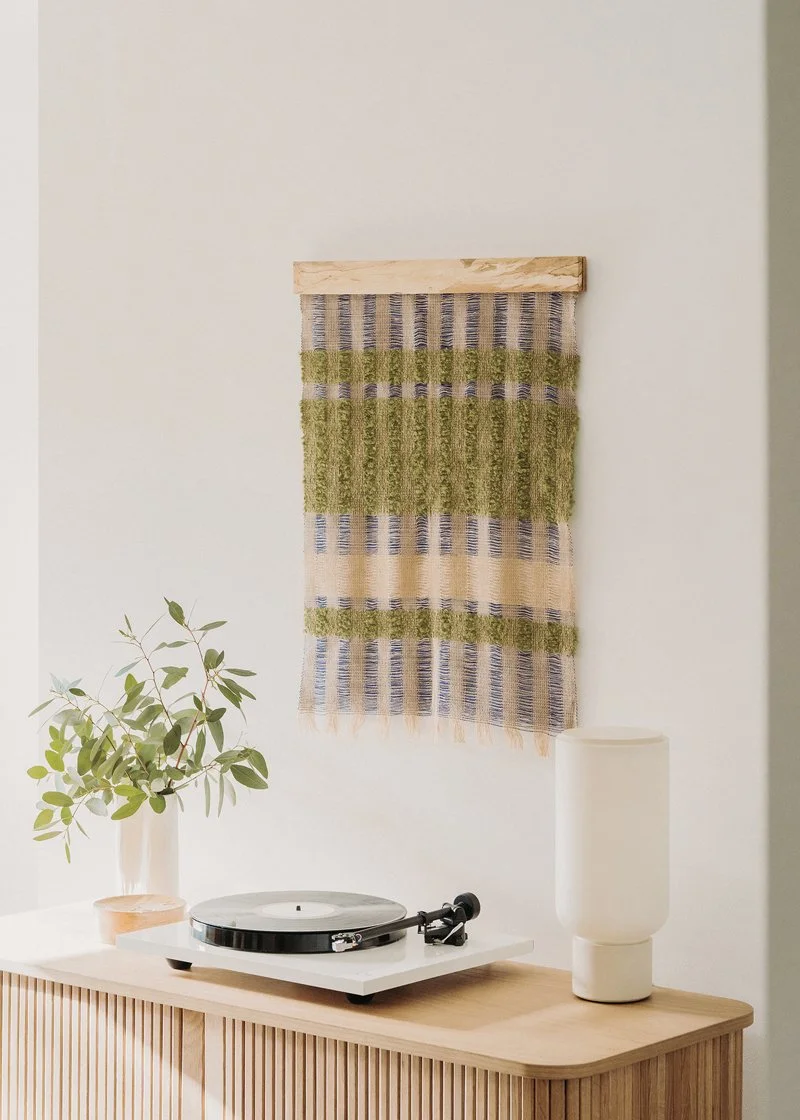
For a home object, a folded textile bowl or wall panel requires no frame, no armature, just the fabric and the decision of where to fold.
"Paper gave origami its name. Yarn gives it a reason to stay.”
CAST ON : One technique. One material. One reason to start.
Share with your knitting friend and start folding your first project...

In case you missed these….
Featured













KOEL MAGAZINE
MODERN YARN STORIES
Real Stories. Real Patterns. Ideas YOU’ll want to make.
A digital magazine, reimagined… yarn and wool stories, published one by one.
In-depth interviews, original patterns, and ideas worth making.